What is a Belt Pulley and How Does it Work?
Belt pulleys play a crucial role in mechanical systems. They serve as essential components in various machinery, facilitating the transfer of power between different parts. Richard Thompson, a leading expert in mechanical engineering, states, "Belt pulleys are the backbone of efficient power transmission." His insights underline the importance of understanding how these devices function.
In essence, belt pulleys use friction to connect rotating shafts. With various designs and sizes, they adapt to different applications. The right choice of a belt pulley can improve machinery performance significantly. However, not all belts work seamlessly with pulleys. Users often overlook the potential for misalignment, leading to wear and tear.
Understanding belt pulleys is not just for engineers; it's essential for anyone working with machinery. Mistakes in selection or maintenance can lead to costly downtime. Yet, many overlook this aspect in their operations. Gaining knowledge about belt pulleys is a step towards enhancing reliability and efficiency in any mechanical system.
Understanding the Basics of a Belt Pulley System
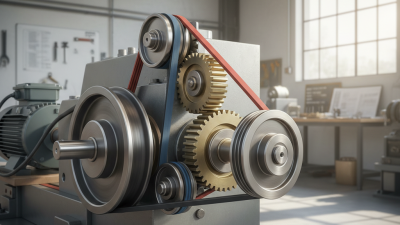
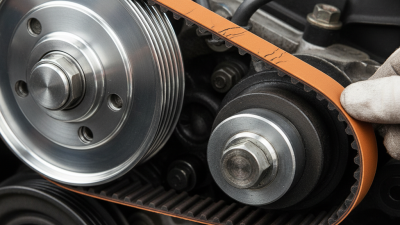
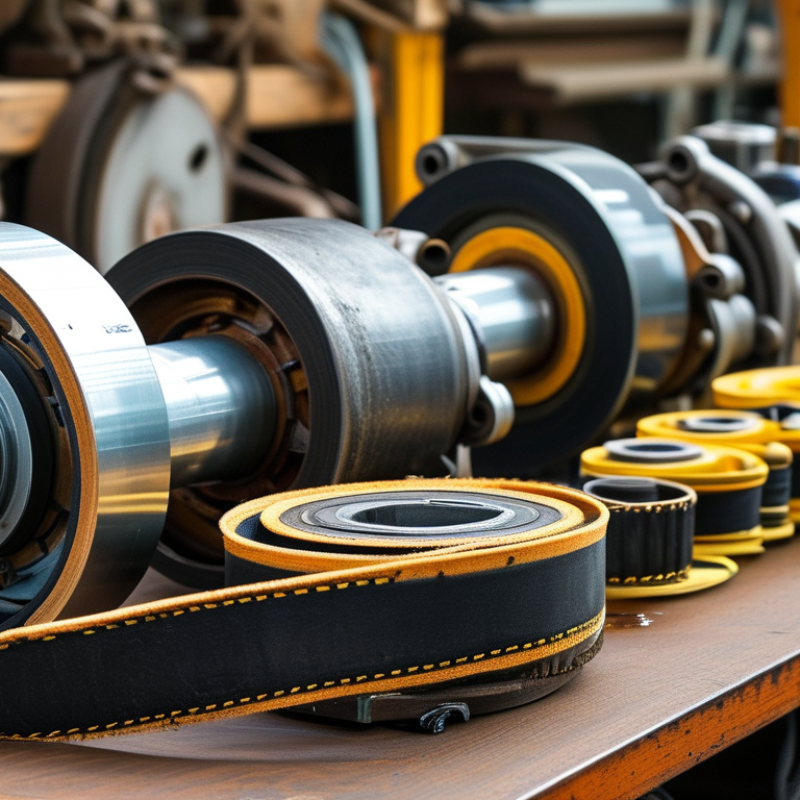
A belt pulley system is a fundamental mechanism found in various machines. It consists of a wheel, known as a pulley, that is mounted on an axle. A belt runs over this pulley, transferring motion and energy from one component to another. This system can be seen in everyday applications, from vehicles to factory machinery. The simplicity of its design belies the effectiveness it offers in power transmission.
Understanding how belt pulleys function is crucial for anyone working with them. When force is applied to the belt, it moves the pulley, generating rotational motion. This movement can either increase or decrease speed depending on the size of the pulleys used. However, not all pulley systems perform optimally. Misalignment, wear and tear can lead to inefficiencies. Regular maintenance is essential to ensure maximum efficiency and performance.
Belt pulleys can seem straightforward, but they invite deeper reflection. Consider a situation where pulley alignment is off; it can lead to increased energy consumption. Observing how pulleys interact with belts and load can provide insights into optimizing their use. Every user should be aware of these dynamics, as they can greatly affect mechanical performance in real-world applications.
Belt Pulley System Efficiency Comparison
This chart illustrates the efficiency percentages of different sizes of belt pulleys in a typical belt pulley system. As shown, larger pulleys tend to have higher efficiencies, making them more suitable for industrial applications.
Components of a Belt Pulley: An In-Depth Look
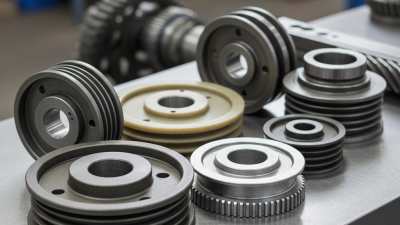
A belt pulley is an essential component in various mechanical systems. Understanding its components helps to grasp how it operates. The primary parts of a belt pulley include the pulley wheel, the belt, and the axle. The pulley wheel is generally made of metal or plastic, designed to reduce friction. It serves as the surface where the belt wraps around.
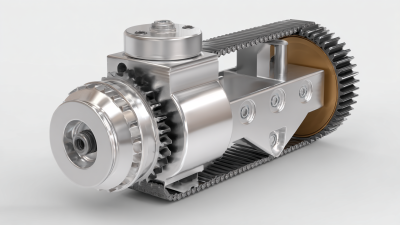
The belt connects different pulleys, transmitting power efficiently from one to another. These belts can be flat, round, or V-shaped. They flex to accommodate diverse motions between the pulleys. The axle is the central part that holds the pulley in place. It's crucial for stability during operation. With these components, the system can change speed, direction, and torque.
While simple in design, pulleys require precise alignment. Misalignment can lead to increased wear and reduced efficiency. Regular maintenance is necessary to keep the components in good condition. Observing any wear on the belt or pulley can prevent costly repairs. Understanding these details enables better troubleshooting and ensures reliability in machinery.
What is a Belt Pulley and How Does it Work? - Components of a Belt Pulley: An In-Depth Look
| Component |
Description |
Material |
Function |
| Pulley Wheel |
The rotating component that the belt rides on. |
Aluminum, Steel, Plastic |
Transmits rotary motion and force. |
| Belt |
Flexible loop that connects two or more pulleys. |
Rubber, Polyurethane, Leather |
Transfers power from one pulley to another. |
| Bearing |
Supports the pulley wheel's rotation. |
Steel, Ceramic |
Reduces friction and wear during operation. |
| Frame |
Structure that holds the pulleys and components in place. |
Steel, Iron |
Provides stability and alignment for the system. |
| Tensioner |
Maintains proper tension in the belt. |
Spring Steel, Plastic |
Prevents slippage and maintains efficiency. |
How Belt Pulleys Transfer Motion and Power
Belt pulleys are essential components in mechanical systems. They efficiently transfer motion and power through the use of belts that run over grooved wheels. This design allows for smooth movement between connected machinery, reducing wear on gears and shafts. According to industry reports, the global market for belt pulleys is expected to grow significantly, driven by their application in various sectors including automotive, manufacturing, and robotics.
The interaction between belt pulleys and belts enables an effective transfer of energy. Pulleys come in different sizes and materials, which can influence their performance and efficiency. A well-designed system can achieve up to 95% energy efficiency, making it a preferred choice for many engineers. However, achieving optimal performance requires careful attention to alignment and tension. Misalignment can lead to increased wear and reduced lifespan of components. Regular maintenance is crucial to address these issues and ensure the system operates effectively.
In real-world applications, the variability in load and speed can complicate the performance of belt pulleys. Engineers often face challenges in balancing these factors to avoid slippage or excessive strain on the system. Maintaining proper tension and alignment is a continuous process that demands vigilance. Innovations in materials and designs are being explored to enhance the reliability of belt pulley systems, but the fundamental principles of motion transfer remain a subject of ongoing study and refinement in the engineering field.
Applications of Belt Pulleys in Various Industries
Belt pulleys find extensive applications across various industries, showcasing their versatility and efficiency. In manufacturing, they drive conveyor systems and assembly lines. These pulleys help transport materials steadily, enhancing productivity. Their ability to transfer torque and motion makes them essential in machinery like lathes and milling machines.
In the automotive sector, belt pulleys are crucial for engine functions. They maintain the timing of belts and provide power to essential components. However, wear and tear can lead to failures. Regular maintenance and inspection are vital to ensure they operate effectively. A small oversight can lead to significant machinery downtime.
The agricultural industry utilizes belt pulleys in equipment like tractors and harvesters. They help in powering various attachments, including seeders and plows. The efficiency of these machines can be compromised if the pulleys are not properly aligned or maintained. A farmer’s yield can directly depend on the reliability of these simple yet crucial devices.
Maintenance Tips for Ensuring Belt Pulley Efficiency
Belt pulleys are critical components in many mechanical systems. Their efficiency directly impacts the overall performance of machinery. Regular maintenance is essential to ensure optimal function and longevity.
One effective upkeep practice is belt inspection. Check for signs of wear, fraying, or cracks. According to industry reports, belts show a 20% increase in life when monitored regularly. Keep tensions properly adjusted. An overly tight or loose belt can reduce efficiency by up to 30%.
Cleaning is also vital. Dust and grime can hinder performance. Use a soft brush to remove debris regularly. Pay attention to alignment as well. Misalignment can cause uneven wear, leading to premature failure. Workers should also log maintenance activities. This practice improves accountability and identifies patterns that require attention.