What are the Benefits of Using Flat Belt Systems?
Flat Belt systems are widely recognized for their efficiency and effectiveness in various applications. They play a crucial role in industries ranging from manufacturing to logistics. These systems use a continuous, flat belt to move materials or products along a predetermined path.
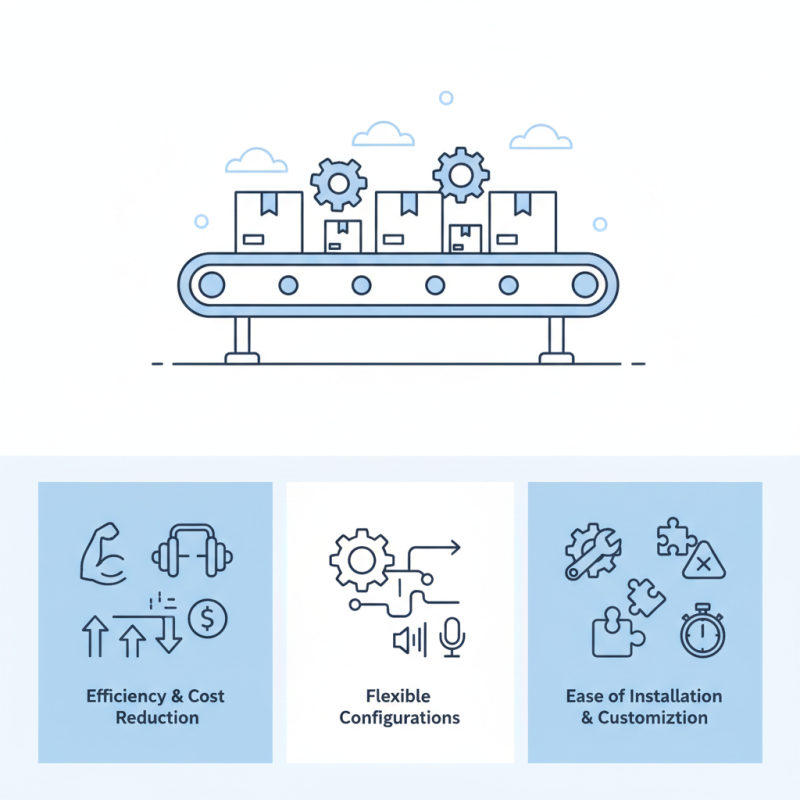
One key benefit of Flat Belts is their ability to handle heavy loads with minimal friction. This reduces energy consumption and operational costs. The design allows for flexible configurations, enabling businesses to adapt to changing processes. However, companies must consider maintenance and wear of the belt over time.
Flat Belt systems also offer a quiet operation, creating a conducive work environment. They can be customized for specific needs, enhancing productivity. The simplicity of installation is another advantage, but improper setup may lead to inefficiencies. While Flat Belts offer many benefits, users should remain mindful of factors affecting performance.
Benefits of Flat Belt Systems in Material Handling Efficiency
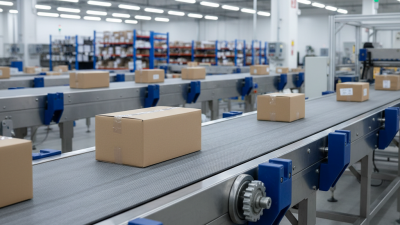
Flat belt systems significantly enhance material handling efficiency in various industries. These systems offer smooth and continuous motion, reducing the likelihood of delays during transport. With a minimal friction surface, they support a wide range of materials, from lightweight boxes to heavy machinery parts. This versatility allows for streamlined operations, but it does require careful consideration of load balancing. If not managed properly, uneven loads can create wear and tear, leading to downtime.
Another key benefit is the ease of integration. Flat belt systems can fit into existing layouts without requiring major changes. They can be adjusted for speed, depending on material needs. This adaptability is beneficial, but it may sometimes lead to overcomplicating processes. Operators must stay vigilant and ensure correct settings. Regular maintenance is vital; otherwise, minor issues can escalate quickly. A simple misalignment may disrupt the entire system, causing potential delays that affect productivity.
Flat belts also save energy compared to other options. They use less power to operate, minimizing operational costs. However, awareness is crucial. Overlooking operational limits can lead to inefficiency. Understanding the right applications for flat belt systems requires observation and continuous learning. Exploring different configurations and materials helps refine usage while avoiding costly mistakes. Proper application of flat belt systems, when done thoughtfully, offers tangible improvements in material handling efficiency.
Benefits of Flat Belt Systems in Material Handling Efficiency
Reduction in Maintenance Costs with Flat Belt Systems
Flat belt systems are increasingly popular in various industries due to their efficiency and cost-effectiveness. One key benefit lies in the reduction of maintenance costs. These systems have fewer components compared to traditional drive systems. This simplicity often leads to a significant decrease in wear and tear. Less wear translates directly into lower repair costs.
Additionally, flat belt systems usually operate with lower noise levels. They often require less lubrication than other systems, which minimizes maintenance needs. Think about how much time and money this can save over the years. However, it’s important to consider the specific materials used in belts. Not every material is equally durable. Choosing the right one can make a difference in maintenance frequency.
There are challenges too. Flat belts can slip if not properly tensioned. This may lead to unexpected downtime. Monitoring tension is crucial for performance. Regular checks can seem tedious but are necessary. In balancing these factors, the potential for lower maintenance costs remains appealing for many businesses looking for efficiency.
Benefits of Using Flat Belt Systems
| Benefit |
Description |
Impact on Maintenance Costs |
| Reduced Friction |
Flat belts produce less friction than traditional drive systems, leading to decreased wear and tear. |
Lower friction results in fewer maintenance intervals, thus reducing overall costs. |
| Lower Energy Consumption |
Efficient power transfer minimizes energy losses, leading to significant energy savings. |
Reduced energy usage translates into lower operational expenses. |
| Easy Installation |
Flat belt systems are user-friendly and require less time for setup compared to gear systems. |
Quicker installation reduces labor costs associated with the setup process. |
| Versatility |
Flat belts can be used across various applications, from light to heavy-duty tasks. |
Versatility enables users to streamline inventory, reducing costs related to maintenance and replacement. |
| Simplicity |
Fewer moving parts mean lower complexity in maintenance and fewer points of failure. |
Lower complexity leads to reduced downtime and cheaper maintenance overall. |
Energy Efficiency Advantages of Flat Belt Conveyors
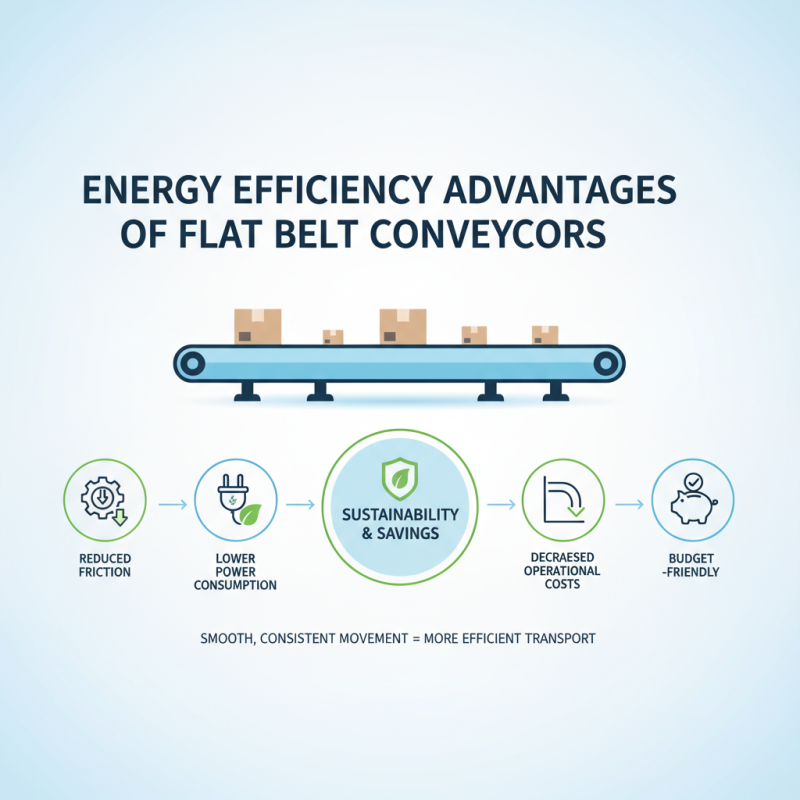
Flat belt conveyors present distinct energy efficiency advantages for various industries. These systems use a continuous belt for transporting materials, allowing for smooth and consistent movement. One of the primary benefits lies in their ability to minimize power consumption. The design reduces friction, which contributes to lower energy use. As a result, operational costs can significantly drop over time, making these systems appealing for budget-conscious companies.
Another important aspect is their versatility in handling various materials. Flat belt systems can transport everything from small parts to heavy loads. This flexibility reduces the need for multiple types of conveyors, potentially simplifying logistics. However, companies should consider that not all flat belt systems are created equal. Different materials and designs may impact energy efficiency, making research essential.
Maintenance can be an overlooked concern. While flat belts may offer energy benefits, they still require regular upkeep. Neglecting this can lead to increased energy consumption over time. Identifying the right balance between performance and maintenance is crucial. In a fast-paced industry, overlooking these aspects could affect overall efficiency and energy savings.
Versatility of Flat Belt Systems in Diverse Industrial Applications
Flat belt systems are highly versatile tools for various industrial applications. They play a critical role in transporting materials across different sectors. According to a report by Allied Market Research, the global flat belt market is expected to reach $45 billion by 2027, driven by the increasing demand for efficient material handling. This adaptability makes flat belts ideal for industries ranging from food production to automotive manufacturing.
One striking feature of flat belt systems is their ability to handle a wide range of materials. They can transport heavy loads as well as delicate items, making them suitable for diverse processing environments. This flexibility can improve workflow and minimize downtime. However, it’s important to assess the belt's load capacity carefully. Overloading can lead to belt wear or even breakage, which disrupts operations.
Tips: Regular maintenance is essential. Check for signs of wear and replace belts as needed. Moreover, monitor the tension to ensure optimal performance. Misalignment can lead to inefficiencies and unexpected failures. Adjusting the system requires attention and often trial and error to achieve precise alignment. The diversity of flat belt systems allows for tailored solutions, but each setup presents unique challenges that demand consideration and thoughtful planning.