Best Flat Belt Types for Your Industrial Needs?
In the world of industrial applications, selecting the right Flat Belt can make a significant difference in efficiency. John Smith, a renowned expert in the Flat Belt industry, once stated, "The choice of Flat Belt is critical for optimal performance." This highlights the importance of understanding various belt types and their unique advantages.
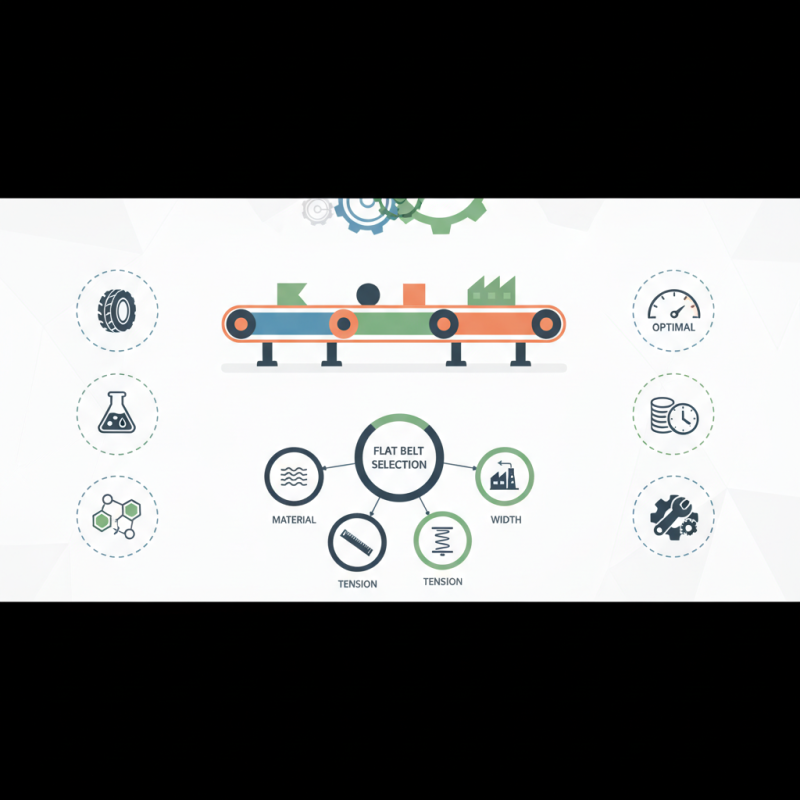
Flat Belts are widely used in machinery, conveying systems, and more. They provide smooth operation and reliable performance. However, not all Flat Belts are created equal. Factors such as material, width, and tension play crucial roles in their functionality. Industries often overlook these details, leading to inefficiencies.
Choosing the best Flat Belt requires careful consideration. Various options are available, from rubber to polyurethane. Each type has its benefits and drawbacks that need reflection. Missteps in selection can lead to operational challenges. Understanding the nuances of Flat Belts can ultimately save time and money.
Types of Flat Belts Used in Industrial Applications
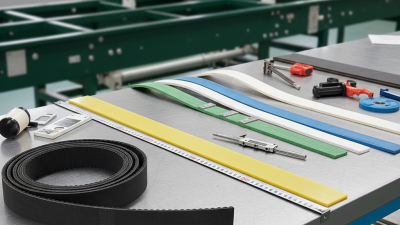
In industrial applications, flat belts play a crucial role in the movement of goods and materials. Various types of flat belts are available, each offering unique advantages. Common types include rubber flat belts, leather belts, and synthetic options. According to the Industrial Belt Market Report 2022, rubber belts account for 48% of the market share due to their durability and flexibility.
Rubber belts excel in environments requiring resistance to fatigue and wear. Leather belts provide a classic option but may not hold up as well under extreme conditions. Synthetic belts, often made from polyester or nylon, offer excellent tensile strength and resistance to environmental factors. They are increasingly popular in industries like manufacturing and logistics, reflecting a 15% year-over-year growth in usage.
Tips: Always consider the operating environment before selecting a belt. Ensure compatibility with the machinery in use. Regular maintenance can greatly extend the life of your belts. Review your options carefully instead of sticking with one type. This reflection can help avoid costly downtimes. Remember, the correct choice can enhance efficiency and productivity in your operations.
Best Flat Belt Types for Your Industrial Needs
| Belt Type |
Material |
Applications |
Advantages |
Limitations |
| Classic Flat Belt |
Rubber |
Conveyor systems, agricultural machinery |
High durability, good flexibility |
Limited resistance to oil and chemicals |
| Polyurethane Flat Belt |
Polyurethane |
Logistics, automated processing |
Excellent wear resistance, UV stability |
More expensive than rubber belts |
| Fiberglass Flat Belt |
Fiberglass |
High-temperature environments |
High tensile strength, thermal conductivity |
Higher cost, more rigid |
| Leather Flat Belt |
Leather |
Traditional machinery applications |
Good flexibility, easy maintenance |
Sensitive to moisture and heat |
| Metal Flat Belt |
Stainless steel |
Food production, pharmaceutical industries |
High strength, corrosion resistance |
Less flexibility, higher weight |
Material Composition of Flat Belts and Their Impact on Performance
The material composition of flat belts plays a critical role in their performance across various industrial applications. Common materials include rubber, polyurethane, and leather. Each has unique properties that affect durability, flexibility, and resistance to wear. For instance, a study from the International Journal of Advanced Manufacturing Technology revealed that polyurethane belts have a 30% higher tensile strength compared to rubber. This makes them ideal for high-torque applications, reducing the frequency of replacements.
Flaws in material choice can lead to operational inefficiencies. For example, using a leather belt in a humid environment may cause premature deterioration. The moisture can weaken the fibers, leading to slippage. Reports indicate that improper belt selection can reduce system efficiency by up to 25%. Understanding the specific demands of your machinery is vital. Data from recent industry surveys show that approximately 40% of failure rates in belt systems are due to incorrect material selection.
In terms of performance impact, temperature tolerance is crucial. Rubber belts may fail at high temperatures, while polyurethane can function effectively up to 90°C. This difference has significant implications for plant operations. A mismatch in material and application can lead to unexpected downtimes, jeopardizing productivity. Attention to detail in material choice enhances longevity and operational efficiency.
Maintenance Tips to Extend the Lifespan of Flat Belts
When it comes to flat belts, proper maintenance is crucial for extending their lifespan. According to industry reports, a well-maintained flat belt can last up to 30% longer than one that is neglected. This means that investing time in maintenance pays off in the long run.
One important tip is to regularly inspect the belt for wear and tear. Look for cracks, fraying, or unusual wear patterns. These can be signs that the belt is overloading or misaligned. A simple visual check can help catch issues early. Additionally, keep the operating environment clean. Dust and debris can accelerate wear, leading to frequent replacements.
Another key aspect is ensuring the correct tension. Too loose and the belt may slip; too tight and it may stretch or damage the bearings. Use a tension gauge to get it just right. Aim for a tension level that manufacturers recommend. While it can be tempting to ignore these checks, they may lead to unexpected downtimes and additional costs down the line. Regular maintenance might seem time-consuming, but it is a small price to pay for long-term efficiency.
Best Flat Belt Types and Their Average Lifespan
Common Applications of Flat Belts in Different Industries
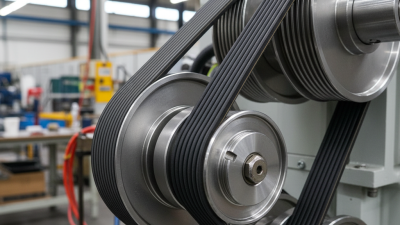
Flat belts are widely used in various industries due to their versatility and efficiency. In manufacturing, these belts transport goods along production lines. They’re essential for moving heavy loads and providing smooth motion. Many factories rely on flat belts to connect pulleys, ensuring reliable performance.
In the agricultural sector, flat belts are crucial for machinery. They power equipment like combines and harvesters. The design allows for quick and smooth operation. However, the wear and tear on belts can become a problem. Regular maintenance is essential to prevent unexpected failures, leading to costly downtime.
Tips: Choose the right material for your specific needs. Consider factors like temperature and chemical exposure. Not all belts are equal. Assess your machinery’s requirements carefully to avoid potential issues. A good fit minimizes slippage and improves lifespan. Analyze your flat belt system regularly. This will help identify any wear before it becomes an issue.