What Are Cam Belts and Why Are They Important in 2026?
In 2026, Cam Belts play a critical role in vehicle maintenance. These essential components connect the engine's crankshaft to the camshaft. They ensure proper timing for the engine's valves. A well-functioning Cam Belt keeps everything in sync. This synchronization directly affects performance and efficiency.
Neglecting Cam Belts can lead to serious issues. An old or worn belt might snap, causing engine damage. Drivers often overlook this simple component. Regular checks are essential, yet many forget. It’s easy to take this part for granted.
As technology evolves, the importance of Cam Belts remains unchanged. They are a vital part of modern engines. Understanding their function helps drivers make informed decisions. Keeping up with maintenance can save a lot of trouble down the road. Recognizing this can prevent costly repairs. In the world of automotive care, Cam Belts deserve more attention.
What Are Cam Belts and Their Function in Engine Operation?
Cam belts, often referred to as timing belts, play a crucial role in the operation of an engine. These belts coordinate the rotation of the crankshaft and camshaft, ensuring that valves open and close at the right moments. This synchronization is essential for efficient engine performance. If the cam belt fails, it can lead to severe engine damage. The consequences can be costly and time-consuming.
Proper maintenance of cam belts is vital. It's recommended to replace them at regular intervals, typically every 60,000 to 100,000 miles. Ignoring this could result in unexpected breakdowns. Check for signs of wear, such as cracks or fraying. These indicators can signal the need for a replacement.
Tip: Pay attention to unusual sounds from the engine. If you hear a ticking noise, it may indicate cam belt issues. Also, consider marking your calendar for replacement reminders. It’s a simple way to avoid future hassles. Remember, a small investment in maintenance can save significant repair costs down the road.
The Evolution of Cam Belts: A Brief History and Recent Developments
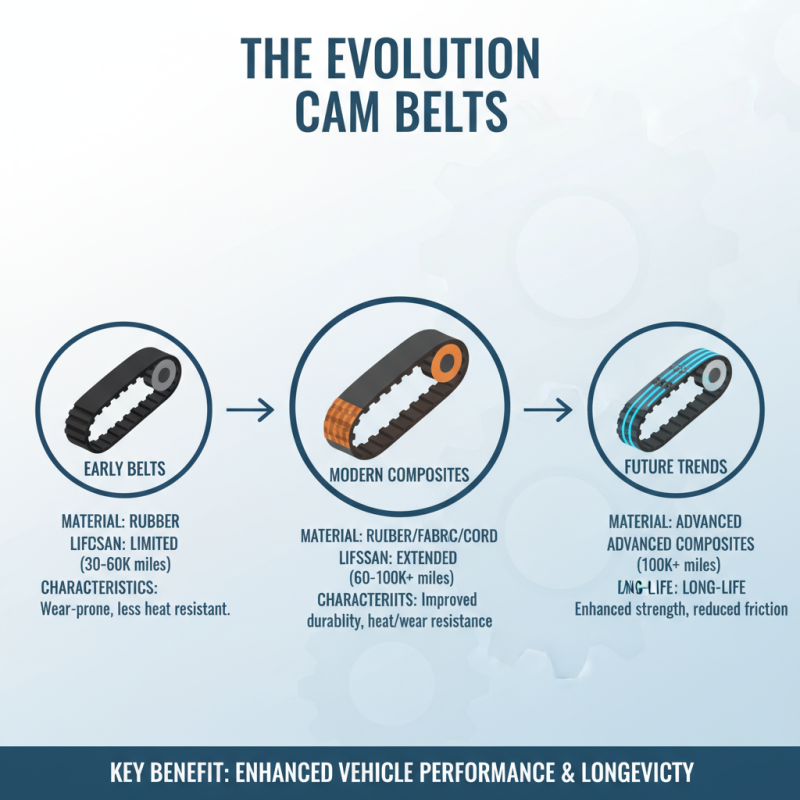
The evolution of cam belts has seen significant changes over the years. Initially, these belts were made of rubber and had a limited lifespan. Recent trends show a shift towards more durable materials. Newer composites offer enhanced wear resistance and longevity, improving performance in modern vehicles.
Industry reports indicate that the global cam belt market grew by 15% in the last five years. Improved manufacturing techniques have contributed to higher quality products. However, many consumers remain unaware of the necessity of regular maintenance. Ignoring changes in cam belt materials could lead to costly repairs down the line.
In 2026, the importance of cam belts will likely continue to rise. They are critical for engine performance and timing. With advancements in technology, older vehicles may not adapt well. Awareness and education will be key in addressing these challenges. A neglect in understanding can lead to missed opportunities for vehicle efficiency.
Importance of Regular Cam Belt Replacement for Vehicle Longevity
Cam belts, also known as timing belts, play a crucial role in your vehicle's engine. They synchronize the rotation of the crankshaft and camshaft. This coordination ensures that the engine's valves open and close at the correct times. When they wear out, the engine may fail to function properly.
Regular cam belt replacement can extend the life of your vehicle. Many manufacturers recommend changing the belt every 60,000 to 100,000 miles. Ignoring this maintenance can lead to severe engine damage. The cost of replacement is much lower than repairing a broken engine.
Neglecting your cam belt could result in a breakdown. An unexpected engine failure can be frustrating and costly. Planning for routine checks is essential, even if everything seems fine. Vehicles require attention to thrive. Your car deserves to run smoothly for years to come.
Signs of Cam Belt Wear and Failure: What to Look Out For
Cam belts, or timing belts, play a crucial role in engine function. They synchronize the rotation of the crankshaft and camshaft, ensuring smooth engine operation. In 2026, awareness of cam belt health is vital to prevent costly repairs. According to industry reports, failures can lead to extensive engine damage, sometimes exceeding $5,000 in repair costs.
Signs of cam belt wear should never be ignored. Look for fraying, cracking, or glazing on the belt surface. A worn belt may cause unusual engine noises or vibrations. Experienced mechanics suggest inspecting belts every 60,000 to 100,000 miles. Ignoring these signs can lead to belt failure, risking serious engine problems.
Many drivers overlook basic maintenance. It's easy to forget about the cam belt until issues arise. A neglected belt can snap, resulting in a non-operational engine. Regularly monitoring belt conditions can save time and money. Reports indicate that proactive maintenance can extend belt life and enhance vehicle reliability.
Future Innovations in Cam Belt Technology and Their Impact on Performance
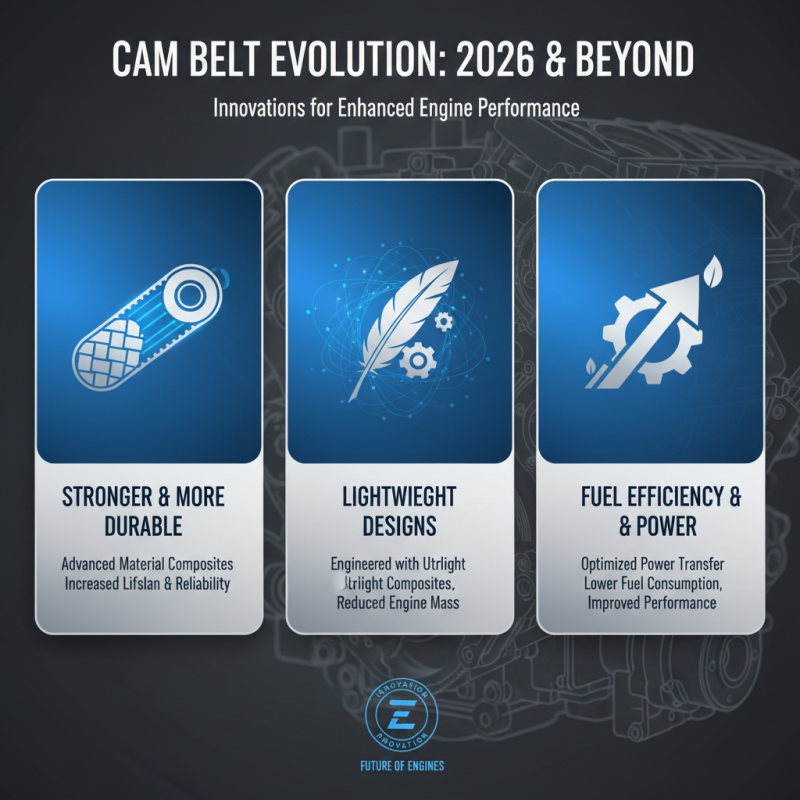
In 2026, cam belts are evolving with new technologies. These belts play a critical role in engine performance. Innovations in materials are making them stronger and more durable. Engineers are experimenting with lightweight composites. This could lead to enhanced fuel efficiency.
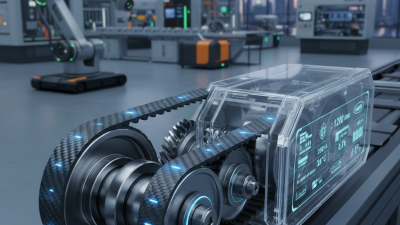
One exciting development is smart cam belts. They can provide real-time data to vehicle systems. This information helps optimize engine timing and performance. However, these advancements may come with challenges. Not all vehicles may be compatible with smart technology. Moreover, there is a risk of over-reliance on tech, leading to neglect of basic maintenance.
Manufacturers are also exploring the use of 3D printing for cam belt production. This method can reduce waste and lower costs. Yet, the long-term durability of printed belts remains uncertain. Consumers might question their reliability compared to traditional options. Overall, the future of cam belt technology is promising but requires careful consideration.