China Top Flat Timing Belt Suppliers What You Need to Know?
In recent years, the market for Flat Timing Belts in China has experienced remarkable growth. According to a report by MarketsandMarkets, the global timing belt market is projected to reach USD 4.81 billion by 2025, driven by increasing automotive production and automation in various industries. Industry expert Dr. Li Wei emphasized, "The evolution of Flat Timing Belts is crucial for efficiency in manufacturing processes."
Flat Timing Belts are pivotal in various sectors, from automotive to industrial machinery. They offer benefits such as reduced noise and maintenance. Not only do they enhance durability, but they also improve overall mechanical efficiency. However, the industry faces challenges, including material quality inconsistencies and competition from alternative drive systems.
Understanding the landscape of Flat Timing Belt suppliers in China is essential for businesses. The right supplier can significantly impact manufacturing performance. Buyers must consider factors such as reliability and product specifications when making decisions. As always, careful evaluation is vital to ensure optimal results.
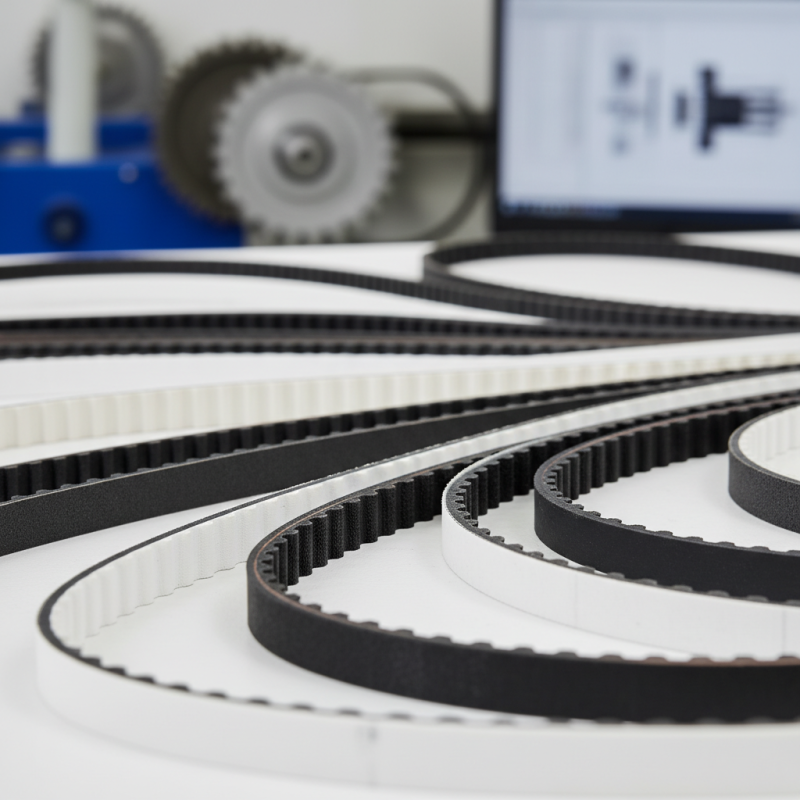
Overview of Flat Timing Belts and Their Applications
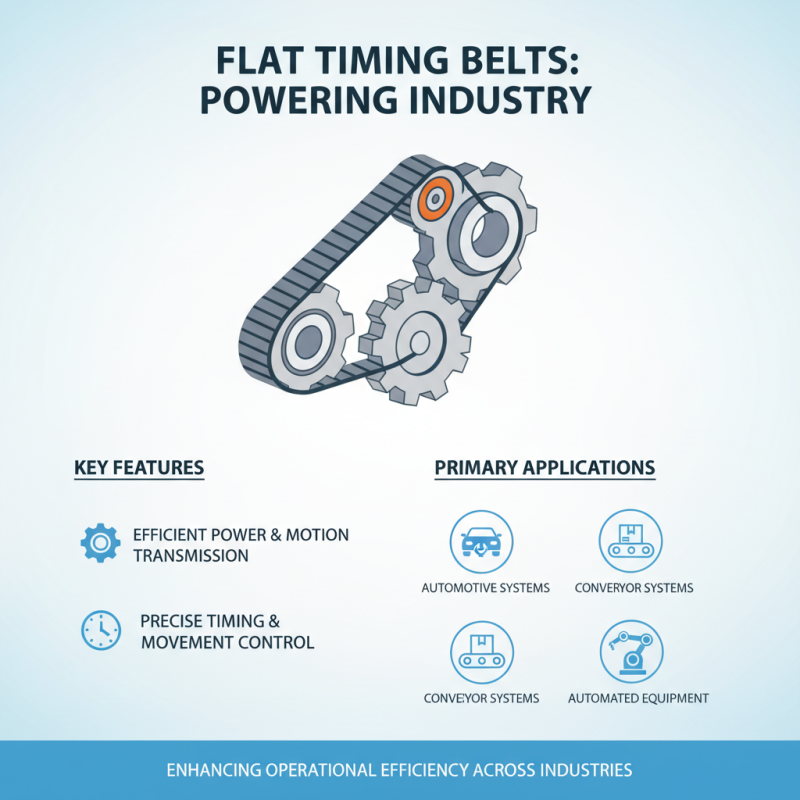
Flat timing belts are essential components in various industries. They transmit power and motion efficiently, making them crucial for machinery operations. These belts are often found in automotive applications, conveyor systems, and automated equipment. Their design allows for precise timing and movement control, which enhances operational efficiency.
In the manufacturing sector, flat timing belts contribute to streamlined processes. They are utilized in assembly lines, packaging machinery, and textile machines. The choice of material can greatly affect performance. Common materials include rubber, polyurethane, and various composites. Each has unique properties that cater to specific applications.
Despite their advantages, flat timing belts are not without challenges. Wear and tear can occur due to environmental factors or improper alignment. Regular maintenance is vital to prolong their lifespan. Operators need to be aware of signs of wear, such as fraying or unusual noises. This awareness can prevent unexpected downtimes and costly replacements. Understanding these belts helps in making informed decisions.
Key Features to Look for in Flat Timing Belts
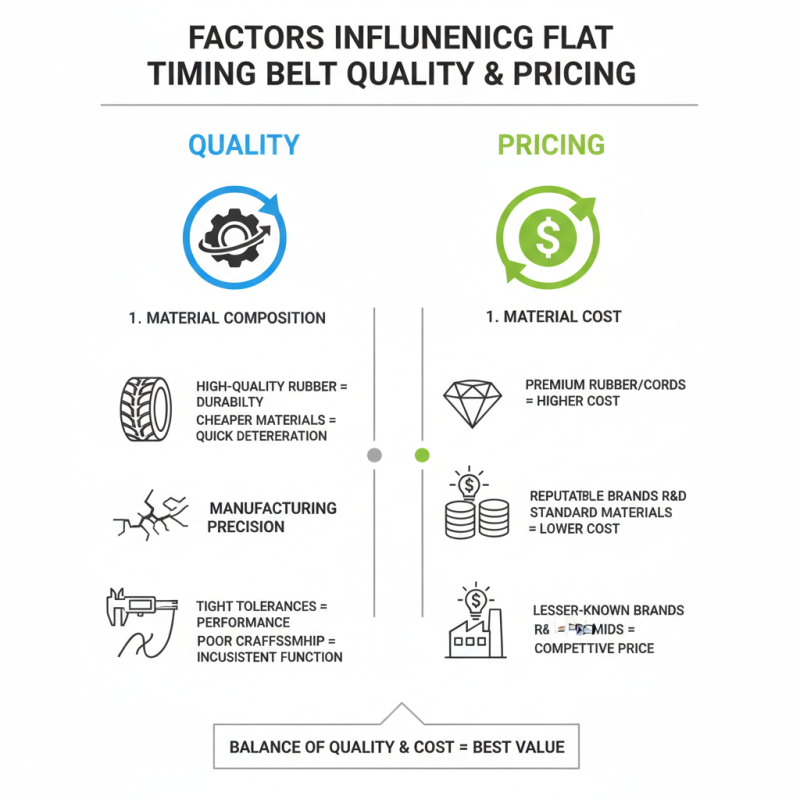
When selecting flat timing belts, there are several key features to consider. The material of the belt plays a crucial role. Common materials include rubber, polyurethane, and silicone. Each material offers unique advantages, impacting durability and performance. What’s your project requirement? Evaluate load capacity, temperature resistance, and wear factors.
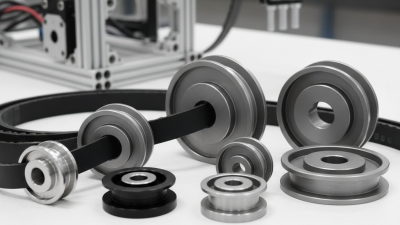
Belt width and length are also essential. Wider belts can handle more load but may require a larger pulley system. Precision in sizing ensures smooth operation and reduces wear on the machinery. Consider installation ease and maintenance needs. Some belts require specific tensioning systems for optimal performance.
Tips: Always check for compatibility with your existing equipment. Regularly inspect the belts for signs of wear or damage. If unsure, consult an expert for proper installation techniques. Flat timing belts often get overlooked, yet their role is vital in various applications. Don’t compromise on quality; the right choice can save costs in the long run. Remember, not all flat timing belts are created equal.
Top Suppliers of Flat Timing Belts in China
When searching for flat timing belt suppliers in China, understanding the market is essential. Flat timing belts are crucial in various industries, ensuring smooth operation in machinery. Many suppliers offer different materials and designs, impacting performance and durability.
Selecting a supplier requires careful consideration. Look for companies with a proven track record. Experience often indicates reliability. However, not all experienced suppliers may provide the best service. It’s important to read reviews and verify credentials to make an informed choice.
Tips: Always compare prices and quality. Request samples if possible. This can help identify the best fit for your needs. Communication is key; ask about lead times and shipping options. Be cautious of deals that seem too good to be true. Sometimes, they may compromise quality. Understanding these factors can significantly impact your purchasing experience.
Market Share of Flat Timing Belt Suppliers in China
Trends and Innovations in the Flat Timing Belt Industry
The flat timing belt industry is evolving rapidly. Innovations are shaping how these components are produced and utilized in various applications. Industry players now focus on optimizing materials. The use of advanced synthetic materials enhances durability while reducing weight. This results in better energy efficiency and longer service life.
Automation is also a key trend in the industry. Manufacturers are increasingly adopting automated systems for precision production. This leads to improved consistency and quality in each belt. However, some companies struggle to keep up with this technological shift. They may lag behind in efficiency and output, highlighting the need for ongoing investment in technology.
Sustainability is emerging as a critical area of focus. More suppliers are exploring eco-friendly materials and processes. This shift reflects broader environmental concerns and changing consumer preferences. However, not all materials meet performance standards. Striking a balance between sustainability and reliability remains a challenge for the industry.
China Top Flat Timing Belt Suppliers: What You Need to Know? - Trends and Innovations in the Flat Timing Belt Industry
| Dimension |
Material |
Applications |
Innovation Trend |
Market Demand |
| 15 mm width x 3 mm thickness |
Polyurethane |
Automotive, Precision Machinery |
Smart Sensors Integration |
High due to automation |
| 20 mm width x 5 mm thickness |
Nylon |
Food Industry, Packaging |
Eco-Friendly Materials |
Growing with sustainability focus |
| 25 mm width x 8 mm thickness |
Rubber |
Textile Machines, Robotics |
Enhanced Durability |
Stable in industrial sectors |
| 30 mm width x 10 mm thickness |
Silicone |
Medical Equipment, Aerospace |
Heat Resistance Improvement |
Increased in specialized sectors |