Why Choose Flat Belt for Your Manufacturing Needs?
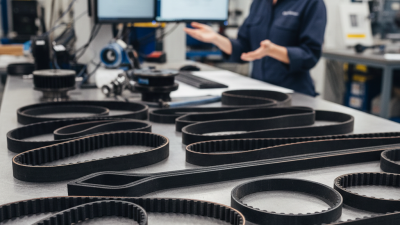
In today's competitive manufacturing landscape, choosing the right components is crucial for efficiency and productivity. One such essential component is the Flat Belt. This simple yet effective solution is widely recognized for its versatility in various applications. Flat Belts can handle diverse loads while ensuring a steady performance. Their design allows for easy installation and maintenance, translating to less downtime.
Manufacturers increasingly rely on Flat Belts due to their ability to support high-speed operations. Whether in automotive, food processing, or industrial machines, these belts provide reliability. Their durability can withstand harsh conditions, yet they are often overlooked. This raises questions about whether companies fully understand the potential of Flat Belts in optimizing operations.
Exploring Flat Belts reveals insights into their advantages and challenges. While they are highly efficient, issues like slippage and wear require regular attention. Understanding these factors can lead to better management of resources and increased productivity. Investing time in evaluating Flat Belts may greatly benefit manufacturers seeking long-term solutions.
Benefits of Flat Belts in Manufacturing Applications
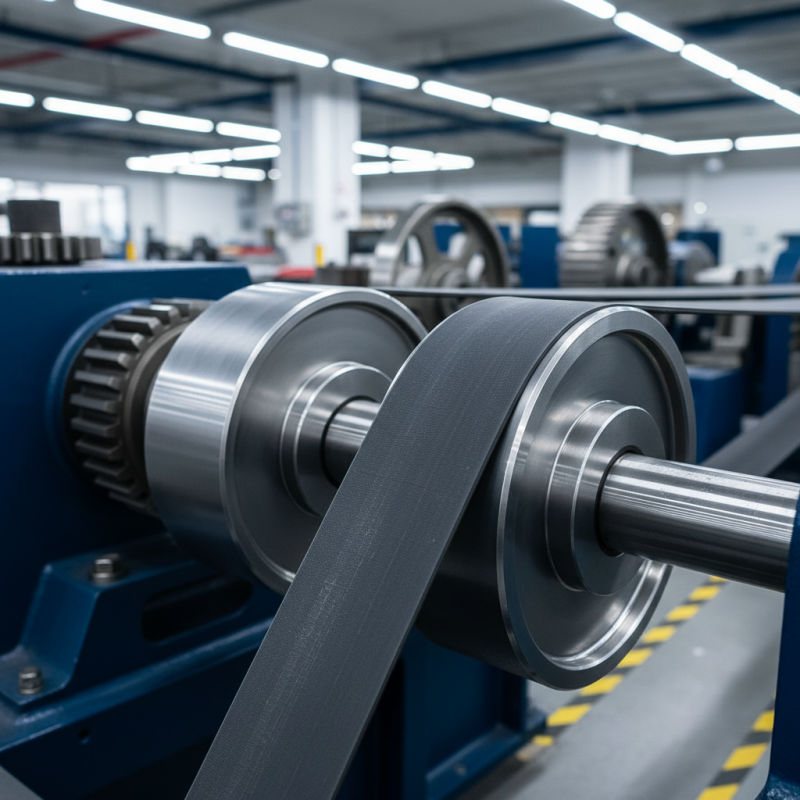
Flat belts play a crucial role in manufacturing. Their simple design and versatility make them an ideal choice. Flat belts efficiently transmit power across various machinery. This helps in modern production lines, especially in packaging and assembly processes. The smooth surface of flat belts minimizes wear and reduces noise. These features lead to a more peaceful working environment.
Choosing flat belts can also be cost-effective. They often require less maintenance than other belt types. This is particularly beneficial for production schedules. A reliable belt means fewer disruptions. However, it is essential to ensure the correct tension is maintained. Over-tensioning can lead to premature failure. Proper installation guidelines should always be followed.
**Tips:** Regular inspection of belts can prevent unexpected breakdowns. Look for signs of wear or damage. Using guides can ensure proper alignment. This enhances performance and lifespan. Keeping your manufacturing equipment in top shape is essential for productivity.
Why Choose Flat Belt for Your Manufacturing Needs? - Benefits of Flat Belts in Manufacturing Applications
| Benefit |
Description |
Application |
| High Efficiency |
Flat belts reduce friction, leading to better energy savings during operation. |
Conveyors, manufacturing assembly lines |
| Versatility |
Can be used in various applications across industries from food handling to automotive. |
Textile industries, packaging machines |
| Durability |
Manufactured from high-quality materials for extended service life. |
Heavy machinery, industrial equipment |
| Low Maintenance |
Requires minimal upkeep compared to traditional belt systems. |
Automated production lines |
| Smooth Operation |
Ensures a quieter and smoother conveyance of products. |
Electronics manufacturing, clean rooms |
Key Features of Flat Belts for Enhanced Performance
Flat belts are increasingly recognized in manufacturing for their unique advantages. One of the key features of flat belts is their ability to transmit power efficiently over long distances. According to a report by the American National Standards Institute, flat belts can reduce energy loss by as much as 25% compared to round belts. This efficiency is vital for companies aiming to enhance productivity while minimizing operational costs.
Another advantage of flat belts is their versatility in applications. They can handle a variety of loads and are suitable for high-speed tasks. Their design allows for easy adjustments, accommodating changing workloads without the need for extensive modifications. A study from the International Journal of Mechanical Engineering highlights that integrating flat belts can lead to an increase in machinery lifespan by approximately 15%. This can be attributed to the reduced wear and tear on components, leading to fewer maintenance needs.
However, it is essential to consider potential challenges. Flat belts may require precise alignment to function effectively. Misalignment can lead to increased friction and premature wear. Regular inspections and adjustments are necessary to maintain optimal performance. Manufacturers must weigh the benefits against these requirements, ensuring a strategy that maximizes the advantages of flat belts while addressing concerns for alignment and maintenance.
Comparing Flat Belts to Other Conveyor Systems
Flat belts have emerged as a preferred choice in many manufacturing sectors, particularly when compared to traditional conveyor systems. Their design emphasizes low friction and high efficiency, which can lead to noticeable energy savings. According to industry reports, companies that switch to flat belts can reduce energy consumption by up to 20% over time. This is crucial for manufacturers looking to lower operational costs while improving output.
In contrast, roller systems may have higher maintenance costs. They require regular lubrication and monitoring, which increases downtime. A study from the Conveyor Equipment Manufacturers Association (CEMA) indicates that maintenance-related downtimes for roller systems can account for 5% to 15% of overall operational time. This is not the case with flat belts, which typically feature a longer lifespan and innovative materials that resist wear and tear. Despite these advantages, some manufacturers must evaluate the specific needs of their production lines. Flat belts may not be ideal for heavy-duty applications, but they shine in lighter, more flexible setups.
The simplicity of flat belt design also translates to easier installation. This can cut lead times and reduce labor costs. However, it’s essential to consider that a one-size-fits-all approach won’t work in all scenarios. Each operation has unique requirements. Some facilities might still prefer traditional systems based on their specific production demands. Hence, while flat belts provide many benefits, careful consideration is needed before making a transition.
Maintenance Tips for Optimal Flat Belt Longevity
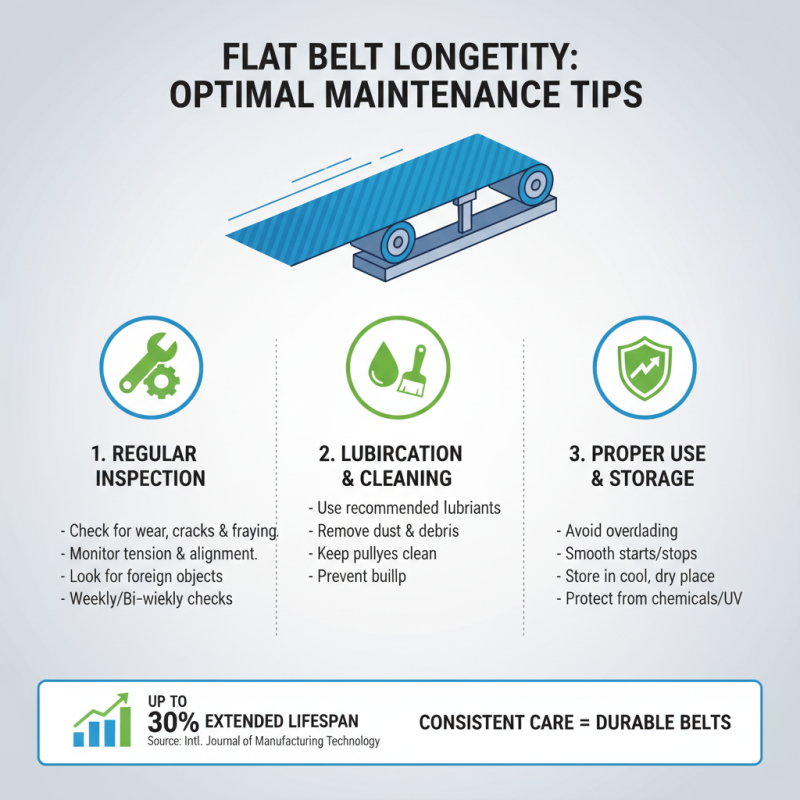
Flat belts have become a staple in manufacturing due to their efficiency. However, maintenance is crucial for maximizing the lifespan of these belts. According to a report by the International Journal of Manufacturing Technology, regular maintenance can improve the life of flat belts by up to 30%. This highlights the importance of implementing a consistent maintenance routine.
Checking for wear and tear should be a priority. Regular inspections can prevent unexpected breakdowns. Use a simple visual check to spot cracks or frays. A worn belt can lead to decreased performance and productivity loss. Additionally, monitoring the tension is vital. A belt that is too loose can slip, while one that is too tight can cause premature failure. The optimal tension should be measured based on the manufacturer's guidelines.
Lubrication also plays a critical role. Proper lubrication minimizes friction and heat buildup, which can damage the belt. However, over-lubricating can attract dirt and debris, leading to accelerated degradation. Striking the right balance is essential. Regular cleaning of the belt surfaces can help maintain the right conditions.
Implementing these tips can aid in achieving better efficiency and longevity. Missteps in maintenance can reverse these efforts. Being proactive can save costs in the long run, emphasizing the importance of a well-thought-out maintenance strategy.
Choosing the Right Flat Belt for Specific Manufacturing Needs
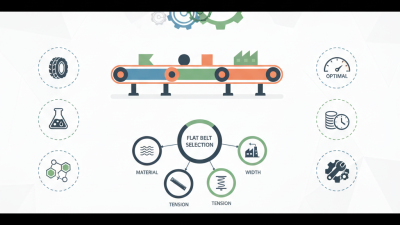
Choosing the right flat belt is crucial for manufacturing efficiency. Different applications require specific characteristics in a belt. For example, conveyor systems often need belts with high tensile strength. According to industry reports, belts with a tensile strength exceeding 2,500 N/mm are optimal for heavy loads.
Material is another essential factor. Polyurethane belts offer greater flexibility. They can handle a variety of temperatures and are resistant to abrasion. In contrast, rubber belts excel in traction and provide better grip in certain environments. Reports suggest that 45% of manufacturing failures stem from improper belt selection.
Pay attention to belt width as well. A wider belt can distribute weight more evenly, reducing the chances of buckling. However, a wider belt may also lead to increased friction. Understanding these trade-offs is vital. This complexity often leads to miscalculations, highlighting the need for careful assessment and testing. Utilizing an incorrect belt can lead to operational disruptions and increased maintenance costs.
Flat Belt Durability Comparison