Choosing the right Endless Flat Belt is crucial for efficient equipment operation. Experts in the industry emphasize this, including John Smith, a seasoned mechanical engineer. He states, "The right belt can significantly impact performance and longevity."
Endless Flat Belts come in various materials and designs. Each type offers different benefits and drawbacks. Selecting the best one for your machine requires careful consideration. Pay attention to dimensions, material strength, and intended use. Small details can make a big difference in performance.
Consider the challenges that may arise. For instance, some belts may wear quickly under heavy loads. Others might not provide sufficient grip. It’s essential to assess these factors deeply. An ill-suited Endless Flat Belt can lead to costly downtime or equipment damage. Therefore, reflecting on your specific needs and consulting with experts is vital.

Endless flat belts are crucial in various industrial applications. They connect different machine parts and transmit power efficiently. These belts come in various materials, widths, and thicknesses. Understanding the specifics of your equipment is key to choosing the right belt.
When selecting a flat belt, consider factors like load capacity and operating speed. Different materials suit different environments. For example, rubber belts are ideal in damp conditions, while fabric belts excel in dry settings. Pay attention to the belt's flexibility, as this impacts its performance.
Tips:
- Measure your equipment carefully. Accurate dimensions can save time.
- Check the working environment. Temperature and chemical exposure matter.
- Don’t overlook maintenance. Regular inspection can extend belt life.
Incompatibility can lead to breakdowns. This results in costly downtime. Ensure the belt aligns well with your setup. Experimenting with different types might yield better results than expected. Analyze your choices and reflect on past experiences for better future decisions.
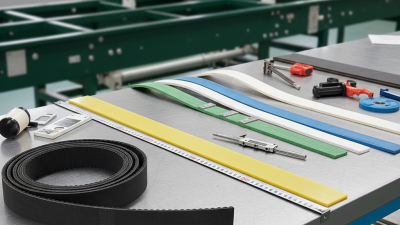
Choosing the right endless flat belt for your equipment is crucial. Key factors play a significant role in this decision-making process. One major consideration is material. Different materials suit various applications. For example, polyurethane belts excel in durability but may lack flexibility. On the other hand, rubber belts can provide better grip, yet they wear out faster.
Another critical factor is the belt's width and thickness. According to industry studies, a belt that is too narrow may lead to premature wear. A thicker belt often offers greater strength but can increase friction. Finding the right balance is key. Research indicates that belts with a width increase of 10% can enhance load capacity by nearly 15%.
Lastly, compatibility with your machinery is essential. If the belt doesn't fit properly, it affects performance. Problems like slippage can arise, disrupting operations. Many users overlook maintenance, leading to premature failures. Regular inspections can prevent costly downtimes. Consider these factors carefully when selecting the best endless flat belt for your needs.
This chart illustrates key factors to consider when selecting endless flat belts based on their performance metrics and different material types.
When selecting endless flat belts for equipment, material choice is crucial. Various materials offer different benefits and drawbacks. For instance, polyester belts are known for their durability and strength. They perform well in industrial settings. However, they may not be suitable for high-heat applications. According to industry reports, over 60% of engineers report choosing polyester for its balance of cost and performance.
On the other hand, polyurethane belts offer excellent resistance to abrasion. They perform effectively in harsh environments, maintaining their integrity under pressure. Yet, they can be more costly. Many users have pointed out that while polyurethane lasts longer, its initial price may stretch budgets. An estimated 30% of manufacturers share this concern in their purchasing processes.
Rubber belts stand out for their flexibility. They adapt to various applications. However, rubber can degrade under UV exposure. This can lead to shorter lifespans in outdoor settings. Almost 40% of professionals witness this issue. Hence, choosing the right material involves weighing immediate costs against potential long-term benefits.
| Material Type | Pros | Cons | Best Applications |
|---|---|---|---|
| Polyurethane | Excellent abrasion resistance, flexible, chemical resistance | Higher cost compared to other materials | Food processing, packaging machinery |
| Rubber | Good grip, high tensile strength, durable | Can degrade in harsh chemicals, sensitivity to heat | Heavy machinery, conveyor systems |
| Polyester | Good flexibility, lightweight, cost-effective | Lower heat resistance, not suitable for high-torque applications | Textile industry, light-duty applications |
| Nylon | High strength, low friction, moisture resistant | Can be damaged by UV light, limited temperature range | Automotive, light machinery |
| Leather | Natural flexibility, good traction, bio-degradable | Can wear out quickly, limited stretchability | Traditional applications, artisanal machinery |
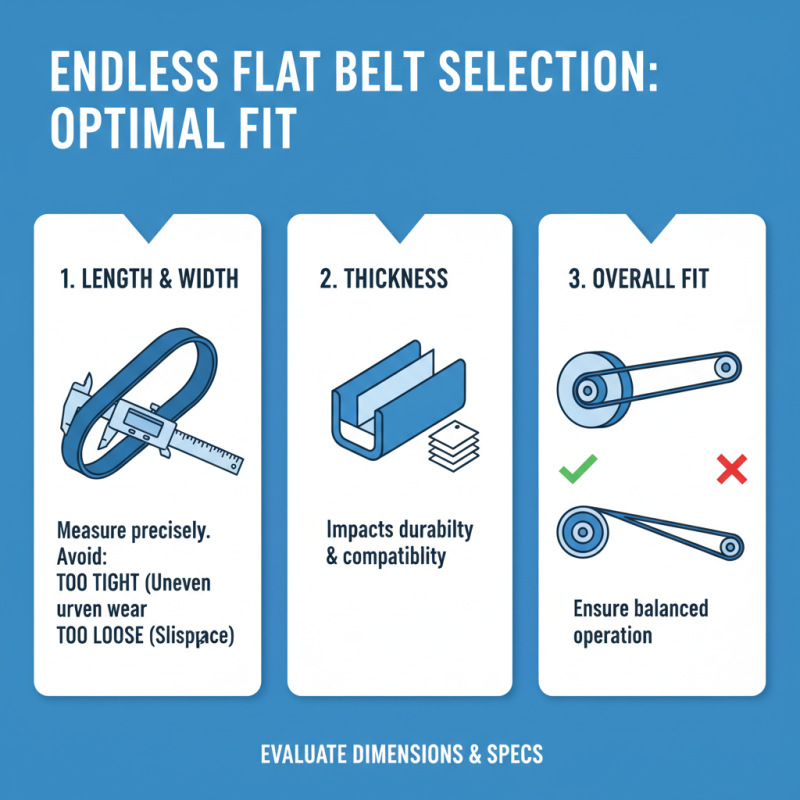
Choosing the right endless flat belt involves careful evaluation of dimensions and specifications. Start with measuring the length and width accurately. Use a caliper or ruler for precise results. A belt that is too tight can wear unevenly, while one that is too loose may slip or cause delays. Pay attention to the thickness as well; it impacts durability and compatibility.
Consider the material type used in the belt. Different applications require specific materials for optimal performance. For instance, some environments may need a more resistant belt to handle heat or abrasion. Think about the belt's tensile strength as well; it’s critical for operational efficiency. Unfortunately, many overlook this aspect and end up facing frequent replacements.
Dimensions are not the only consideration; specifications matter greatly too. Check the pulley size and center distances. If these differ significantly, the belt will not perform as expected. Lastly, consult equipment manuals or guidelines. Sometimes, they provide insights that users forget or ignore. Taking these factors seriously will increase the lifespan of your equipment and enhance its overall performance.
Endless flat belts play a crucial role in various machines.
To extend their lifespan, regular maintenance is key.
A thorough inspection is essential. Check for signs of wear and tear. Look for cracks, frays, or discoloration.
Any of these can indicate a problem.
Ensure proper tension to prevent slippage. Too tight can lead to premature wear,
while too loose might cause malfunction.
Clean the belts regularly to remove dust and debris. Proper lubrication is also important.
Use suitable lubricants to avoid damage but avoid over-lubrication.
Sometimes, even with diligent care, belts wear out faster than expected.
Environmental factors can impact their longevity. High temperatures or humidity
can degrade the materials. Users should consider these factors during selection.
Regularly reassess your operational environment and equipment compatibility for optimal performance.