Why Choose Aluminum Timing Belt Pulleys for Your Projects?
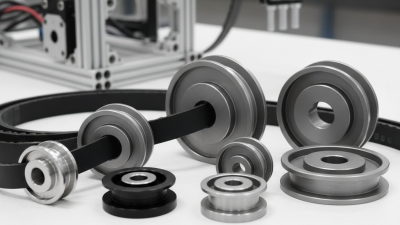
Aluminum Timing Belt Pulleys stand out as a reliable choice for various engineering projects. These components offer a blend of durability and lightweight properties, making them ideal for diverse applications. Their corrosion resistance is notable, prolonging their lifespan in challenging environments. When precision and performance matter, Aluminum Timing Belt Pulleys provide the necessary reliability that engineers seek.
Many professionals appreciate the ease of installation and compatibility with different timing belt systems. A well-made aluminum pulley can enhance efficiency in motion transfer. However, it’s essential to choose high-quality products to avoid premature wear. Some may overlook the importance of this detail, leading to unexpected failures down the line.
In summary, opting for Aluminum Timing Belt Pulleys can greatly impact project outcomes. They promise performance and longevity, but careful selection is crucial. Making informed decisions will result in better project success.
Benefits of Using Aluminum Timing Belt Pulleys in Mechanical Systems
Aluminum timing belt pulleys are increasingly popular in various mechanical systems. Their lightweight nature contributes to overall system efficiency. According to industry reports, replacing steel with aluminum can reduce weight by up to 50%. This reduction helps improve energy efficiency, allowing machines to consume less power during operation.
Aluminum pulleys also exhibit excellent corrosion resistance. This property is crucial in environments exposed to moisture and chemicals. A study by the American Society of Mechanical Engineers (ASME) indicates that aluminum maintains integrity longer than other metals under harsh conditions. Operators benefit from lower maintenance costs and increased reliability when making this switch.
Furthermore, aluminum allows for precise machining, resulting in tighter tolerances. This precision leads to smoother operation and improved alignment between components. However, one should consider that aluminum may not handle excessive loads as well as steel. In certain applications, careful analysis is essential to avoid premature failure. Nonetheless, the advantages of weight reduction and corrosion resistance often outweigh these concerns.
Benefits of Using Aluminum Timing Belt Pulleys in Mechanical Systems
Impact of Weight Reduction on Performance: Aluminum vs. Steel Pulleys
When considering the most effective materials for timing belt pulleys, aluminum offers significant advantages over steel. One of the primary benefits is weight reduction. Aluminum is approximately one-third the weight of steel. This lighter weight can lead to improved performance in various applications, especially in high-speed and precision machinery.
Reducing the weight of pulleys affects the overall efficiency of a system. Lighter pulleys reduce the inertia faced during acceleration and deceleration. Additionally, this can lead to lower energy consumption. However, it's essential to acknowledge that there can be trade-offs. Aluminum may not withstand high-stress environments as well as steel. This lack of durability can lead to potential failures if not carefully considered.
While aluminum pulleys shine in lightweight applications, engineers must evaluate their specific needs. In projects where longevity and strength are critical, steel may still be the better choice. Balancing weight and material properties is crucial. A decision rooted in careful analysis will ultimately lead to more effective and reliable machinery solutions.
Durability and Corrosion Resistance of Aluminum Under Industrial Conditions
When selecting components for industrial applications, durability is key. Aluminum timing belt pulleys stand out due to their impressive strength and longevity. They resist wear and tear better than many alternatives. Under demanding conditions, these pulleys maintain their shape and functionality. This characteristic is crucial for projects requiring precision and reliability.
Corrosion resistance is another significant factor. In harsh environments, metals face moisture, heat, and chemicals. Aluminum, however, forms a protective oxide layer. This layer shields it from corrosion, extending the lifespan of timing belt pulleys. This property is especially valuable in industries like automotive and manufacturing, where downtime can be costly.
Despite their advantages, it's essential to recognize limitations. Aluminum can face challenges under extremely high temperatures. In such cases, its strength may diminish, requiring careful consideration. Moreover, not all aluminum alloys offer the same benefits. It's vital to choose the right grade for specific applications. Doing so can help you achieve optimal performance while mitigating risks. Each project requires a tailored approach to ensure every aspect meets necessary demands.
Cost Analysis: Long-Term Savings with Aluminum Timing Belt Pulleys
Aluminum timing belt pulleys offer significant long-term savings for various projects. Their durability contributes to lower replacement costs. Unlike plastic or steel, aluminum can withstand wear and tear from continuous use. This resilience leads to fewer maintenance expenses over time.
Initial costs may seem higher when choosing aluminum. However, when factoring in longevity, the investment pays off. Aluminum pulleys reduce the risk of failures, which can be costly. Projects requiring reliable performance benefit greatly from this choice.
Additionally, aluminum's lightweight nature improves efficiency. Reduced weight means less energy consumption in machinery. In situations where precision is crucial, aluminum pulleys can enhance overall operation. However, not all applications may need this level of performance. Assessing your specific needs will ensure the right decision. Long-term savings are not just about initial price; it's about overall project success.
Why Choose Aluminum Timing Belt Pulleys for Your Projects? - Cost Analysis: Long-Term Savings with Aluminum Timing Belt Pulleys
| Feature |
Aluminum Timing Belt Pulleys |
Steel Timing Belt Pulleys |
| Weight |
Lightweight |
Heavy |
| Corrosion Resistance |
Excellent |
Moderate |
| Cost Per Unit |
$5.00 |
$4.00 |
| Lifespan |
5 years |
3 years |
| Long-Term Cost (5 years) |
$10.00 |
$20.00 |
| Installation Ease |
Easy |
Moderate |
| Performance Efficiency |
High |
Medium |
Industry Applications Where Aluminum Pulleys Outperform Other Materials
Aluminum timing belt pulleys excel in various industrial applications. Their lightweight nature and high strength make them ideal for precision engineering tasks. In automotive applications, they contribute to efficient power transmission, reducing engine load by up to 15%, according to a recent engineering study. In robotics, aluminum pulleys ensure smooth movements, essential for maintaining operational speed and accuracy.
Pulleys in aerospace applications benefit from aluminum's resistance to corrosion and heat. Studies indicate that aluminum components can withstand extreme temperatures without compromising performance. In manufacturing settings, adopting aluminum timing pulleys can improve assembly line speeds by up to 10%. This efficiency is crucial in competitive markets where time translates to cost savings.
Tips: Always evaluate the specific needs of your project before choosing materials. Consider the weight and load capacity. Sometimes, steel may be necessary for heavier applications. Regular maintenance of pulleys can prevent wear, ensuring longevity. Potential environmental costs of aluminum production should also be considered.