Inquiry
Leave Your Message

Why Choose a Pu Timing Belt for Your Mechanical Needs?

Choosing the right component for mechanical systems is critical. The Pu Timing Belt stands out for its efficiency and reliability. According to industry reports, timing belts account for over 30% of mechanical failures in machines. This highlights the importance of selecting a durable option.

Pu Timing Belts offer exceptional wear resistance. They are made from polyurethane, which provides a longer lifespan compared to traditional rubber belts. In a recent survey, over 85% of engineers reported fewer replacements with Pu Timing Belts. Despite these benefits, some users notice performance dips under extreme conditions. This indicates a need for careful application evaluation.

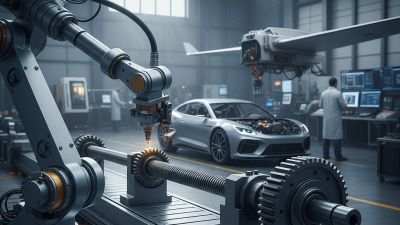
Many industries rely on Pu Timing Belts for their precision and adaptability. They are used in automotive, manufacturing, and robotics. Yet, not all users fully understand the benefits. Training on proper installation and maintenance could enhance performance. Emphasizing these factors will ensure that users maximize the potential of their Pu Timing Belts.
Why Choose a Pu Timing Belt for Your Mechanical Needs?

Overview of PU Timing Belts and Their Composition

Why Choose a Pu Timing Belt for Your Mechanical Needs?

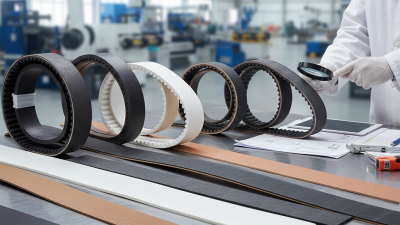
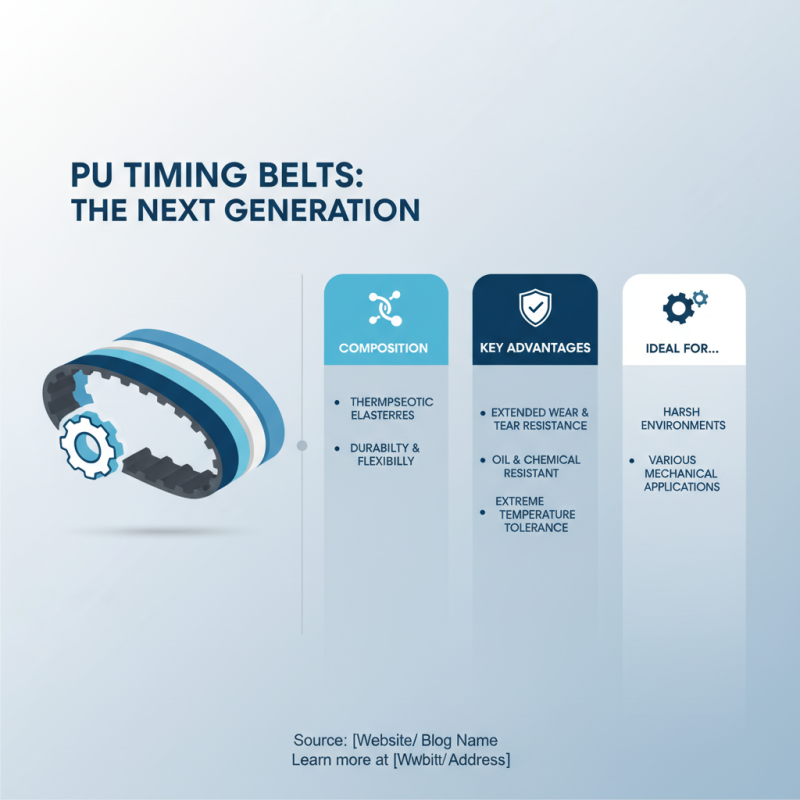
PU (polyurethane) timing belts are gaining popularity in various mechanical applications. Their composition includes a unique blend of thermoplastic elastomers, which provide a balance of durability and flexibility. The polyurethane material ensures that these belts can withstand wear and tear over extended periods. They also exhibit excellent resistance to oils, chemicals, and extreme temperatures. This makes them suitable for environments that can be harsh on other types of belts.

When considering PU timing belts, it's crucial to examine their structural features. These belts are often reinforced with a fabric backing, enhancing their tensile strength. The teeth on the belts are designed to engage perfectly with the corresponding pulleys. This precision ensures minimal slippage and optimal performance. However, some users have noted that installation can be tricky. Misalignment during setup can lead to premature wear. Reflecting on this, careful attention during installation is vital for maximizing lifespan and performance.
Advantages of Using PU Timing Belts in Mechanical Systems

Polyurethane (PU) timing belts are gaining attention in mechanical systems. One significant advantage is their superior resistance to abrasion. Research shows that PU belts can last up to 40% longer than traditional rubber belts in harsh environments. This durability reduces maintenance costs, making them a viable choice for long-term usage.

Another noteworthy benefit is their flexibility. PU timing belts can withstand high load capacities while maintaining precise tooth engagement. According to industry reports, these belts can support weight loads exceeding 2000 N, depending on size. This versatility makes them ideal for numerous applications, from automotive to industrial machinery.

Despite the many advantages, it's essential to evaluate specific needs before choosing a PU timing belt. Some systems may require unique specifications that PU cannot meet. Moreover, while PU belts excel in temperature resistance, extreme conditions can still pose challenges. Users should consider these factors for optimal performance.

Why Choose a Pu Timing Belt for Your Mechanical Needs? - Advantages of Using PU Timing Belts in Mechanical Systems

Advantage Description Applications Durability
High Performance Provides precise timing and synchronization for mechanical systems. Industrial machinery, automotive engines, conveyor systems. Resists wear and tear leading to longer service life.
Chemical Resistance Resists breakdown from oils, solvents, and other chemicals. Food processing, chemical industries, packaging machines. Maintains integrity in harsh environments.
Lightweight Reduced mass compared to traditional belts. Robotics, aerospace applications, automotive. Enhances overall system efficiency and performance.
Low Noise Operation Reduces noise compared to other belt types. HVAC systems, office equipment, consumer appliances. Contributes to a quieter working environment.
Flexibility Can conform to various shapes and sizes. Custom machinery, intricate assemblies. Allows for innovative and compact designs.

Applications of PU Timing Belts in Various Industries

Why Choose a Pu Timing Belt for Your Mechanical Needs?

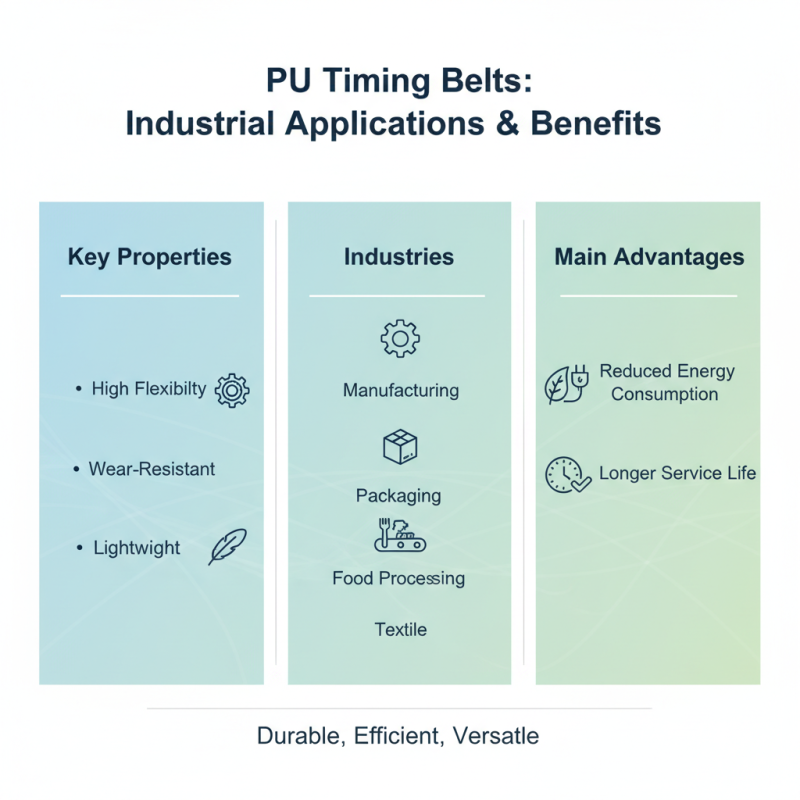
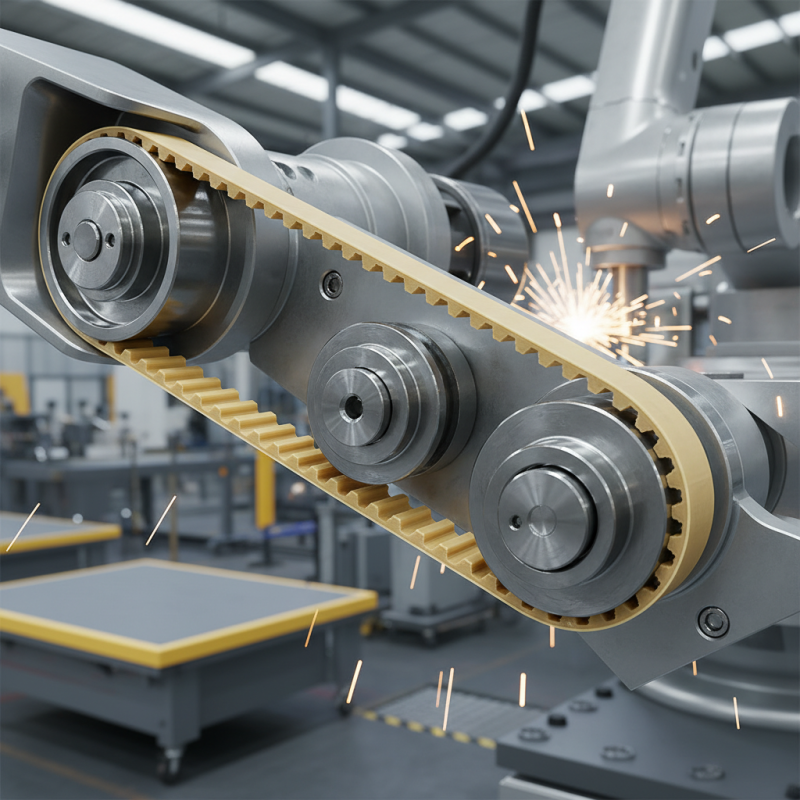
PU timing belts are gaining traction across various industries due to their unique properties. These belts offer high flexibility and durability. They are resistant to wear, making them ideal for demanding mechanical applications. Their lightweight nature helps reduce energy consumption, which is a significant advantage for manufacturers.

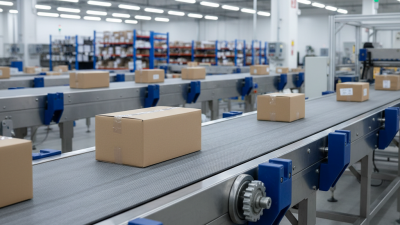
In the automotive sector, PU timing belts are used for timing drives and conveyor systems. They ensure precise synchronization of engine components. In the food industry, these belts excel in food processing applications. Their resistance to oils and chemicals promotes hygiene. Furthermore, PU timing belts are common in textile and packaging machinery, where efficiency is paramount. Their ability to operate smoothly at high speeds makes them reliable in high-volume production environments.

While PU timing belts are effective, their installation requires precision. Misalignments can lead to premature wear. Regular maintenance is essential for optimal performance. Users must consider the specific requirements of their equipment. Evaluating the tension and environmental factors is crucial. The effectiveness of PU timing belts lies in their application and ongoing assessment.

Comparison of PU Timing Belts with Other Types of Timing Belts

When selecting a timing belt for mechanical applications, PU timing belts offer distinct advantages over other varieties. Their construction from polyurethane provides enhanced durability and wear resistance. This makes them ideal for high-load applications where conventional rubber belts may fail earlier than desired. The flexibility of PU belts ensures a smooth operation, critical in precision machinery.

In comparison, many rubber timing belts struggle with temperature fluctuations and abrasive environments. They may also stretch over time, compromising performance. PU timing belts, however, maintain accuracy under stress. These belts tend to exhibit better tensile strength, which results in a longer lifespan. Moreover, PU belts can handle high speeds, making them versatile in various settings, from automotive to industrial machinery.

Despite these benefits, PU timing belts can come with higher upfront costs. Some users may question whether they are worth the investment. Additionally, installation can prove tricky due to their rigidity. Users should be aware of these factors and carefully assess their specific needs. Each application is unique, and a quick decision may lead to performance issues down the line. Selecting the right timing belt requires thorough research and understanding of how each type can impact machinery efficiency.

Maintenance Tips for Prolonging the Life of PU Timing Belts

PU timing belts are known for their durability and reliability. To maximize their lifespan, proper maintenance is essential. Regular inspections are vital. Check for signs of wear, such as cracks or fraying. These small issues can lead to larger failures if ignored.

Keep belts clean and free of debris. Contaminants can cause excessive wear. A simple wipe down with a damp cloth can prevent buildup. Ensure proper tension as well. Too loose or too tight can strain the belt, leading to premature failure. Adjusting tension regularly is key to prolonging its life.

Lubrication is another important factor. Using the correct lubricant helps minimize friction. However, be cautious. Over-lubrication can attract dirt, worsening the wear. Create a maintenance schedule to keep track of tasks. Regular attention prevents surprise breakdowns and ensures smooth operation. Stay proactive for the best results.

Benefits of PU Timing Belts vs. Other Materials