How to Choose the Right Drive Belts for Your Machinery?
Choosing the right Drive Belts for machinery is crucial for optimal performance. According to industry expert James Allen, "The right Drive Belts can make or break your machinery's efficiency." His experience highlights that selecting the correct drive belt involves understanding the specific needs of your equipment.
Drive Belts are not just components; they are lifelines for your machinery. They transfer power and ensure smooth operation. A wrong choice can lead to inefficiency and increased wear. Various factors come into play, including belt material, width, and length. Each application demands a tailored approach.
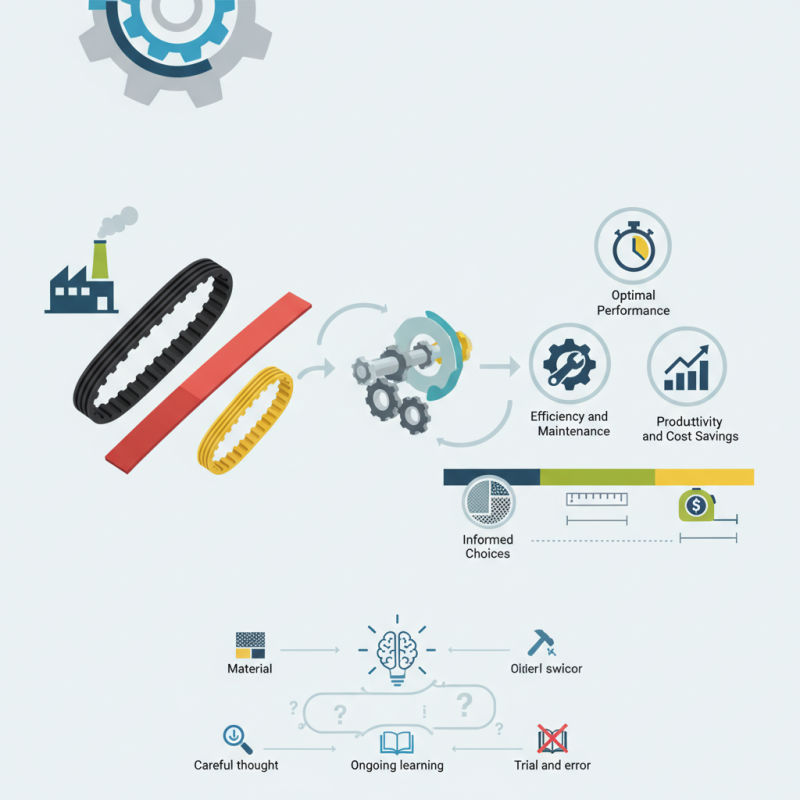
Many users overlook the nuances of Drive Belts. It’s easy to assume one type fits all. However, improper selection can lead to frequent breakdowns. This impacts productivity and costs. Reflecting on these aspects ensures you make informed choices. Selecting Drive Belts requires careful thought, ongoing learning, and sometimes, a little trial and error.
Understanding the Different Types of Drive Belts Available
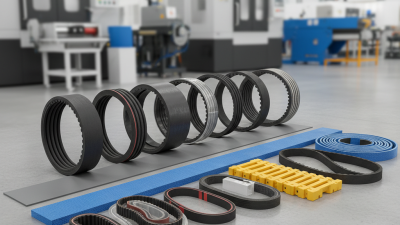
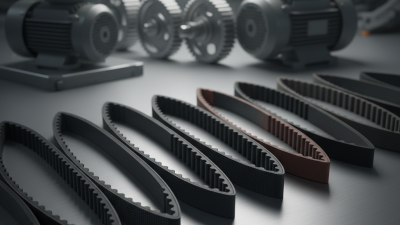
When selecting drive belts for machinery, understanding the different types available is crucial. Drive belts play a vital role in transferring power between components. Several types exist, each with its unique characteristics. Flat belts, often used in applications requiring high-speed movement, allow for flexibility. However, they may slip under heavy loads, which could lead to inefficiencies.
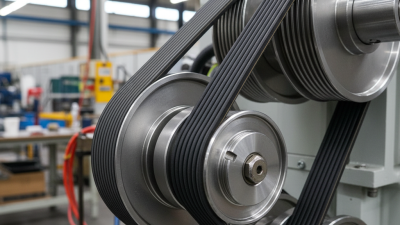
V-belts are another common type. They provide a wedged shape that improves grip and reduces slippage. V-belts excel in applications that require high torque. Their design allows them to run smoother and quieter than flat belts. However, they can wear out faster if misaligned or overloaded. Attention to detail in installation can increase their lifespan significantly.
Timing belts offer precise motion control. They feature teeth that interlock with pulleys, ensuring synchronization. While they are reliable for accurate positioning, they may not handle heavy loads as well. It's important to consider these trade-offs when choosing a belt type. Each option has its strengths and weaknesses, often requiring reflection on specific operational needs. Effective choices depend on understanding these key differences.
Factors to Consider When Selecting Drive Belts for Machinery
Choosing the right drive belts for machinery is essential for efficient operation. Several factors greatly influence this decision. First, consider the material of the belt. Rubber and polyurethane are common choices. Each has unique durability and flexibility. According to industry reports, polyurethane belts typically offer longer life in harsh environments.
Size is another crucial aspect. Check the width and length specifications of the machinery. A mismatch can lead to slippage or excessive wear. If you’re unsure, referring to manufacturer guidelines can be beneficial. Consulting a professional can also provide insights tailored to your specific machinery type.
Tip: Always measure existing belts and keep records of replacements to identify wear patterns. Pay attention to the operational environment. Dust, heat, and moisture can significantly affect belt longevity.
Lastly, the belt’s load capacity should match your machine’s requirements. Overloading can lead to premature failure. Regular assessments of operational demands can help in maintaining the right balance. Using data from machinery performance reports can support your selection process. It’s an ongoing evaluation rather than a one-time decision.
How to Choose the Right Drive Belts for Your Machinery? - Factors to Consider When Selecting Drive Belts for Machinery
| Factor |
Description |
Recommendation |
| Belt Type |
Choose between V-belts, flat belts, timing belts, and synchronous belts based on application. |
Assess machinery requirements and load conditions. |
| Material |
Consider rubber, polyurethane, or steel reinforced belts for durability. |
Select based on external conditions (temperature, moisture, etc.). |
| Length & Width |
Ensure proper dimensions for fitting in machinery. |
Measure existing belts or refer to manufacturer specifications. |
| Load Capacity |
Evaluate the weight and type of load the belt will carry. |
Choose belts with higher load ratings for heavy-duty applications. |
| Speed |
Consider the required speed of operation to prevent slippage. |
Select belts designed for high-speed applications if necessary. |
| Environmental Factors |
Assess conditions like exposure to oil, chemicals, or extreme temperatures. |
Choose appropriate materials that resist specific environmental challenges. |
Assessing the Load and Performance Requirements of Your Equipment
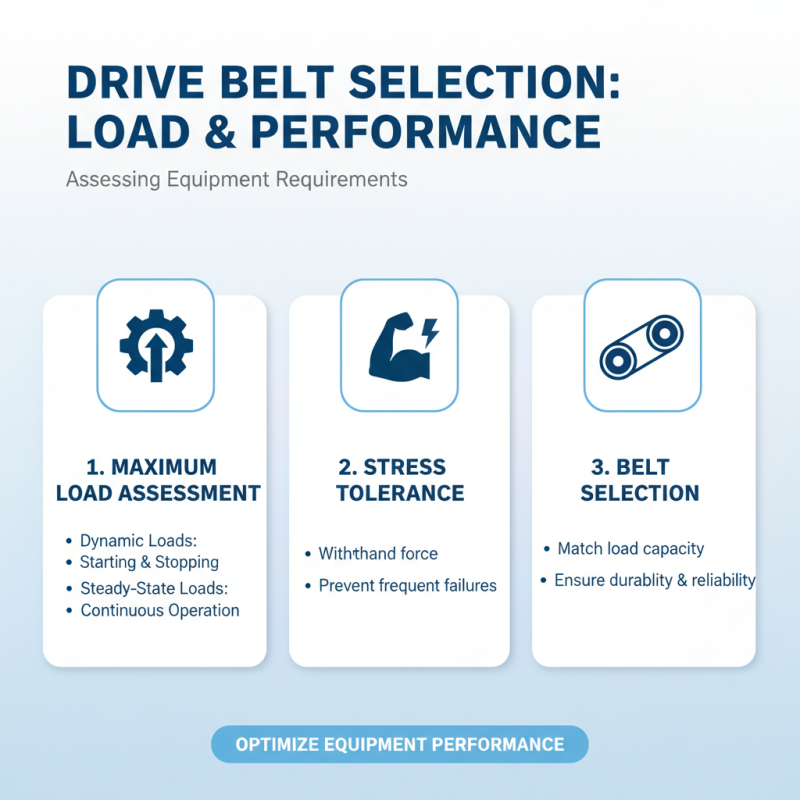
When choosing drive belts for machinery, understanding load and performance requirements is essential. Start by assessing the maximum load your equipment will handle. This includes dynamic loads from starting and stopping, as well as steady-state loads during operation. Knowing these factors helps in selecting a belt that can withstand stress without frequent failures.
Consider the operational context, too. If your machinery runs in extreme temperatures or is exposed to dust, this can affect belt performance. You might need a belt that offers higher durability under such conditions. Pay attention to tension and alignment as well; misalignment can lead to belt wear and overall inefficiency. It's crucial to reflect on past issues where performance fell short.
Also, evaluate what type of power transmission you require. Different applications might need different belt styles. For example, a timing belt may suit precise applications, while a V-belt may be more versatile. Balancing these needs can be challenging. Testing various options might lead to discovering the best fit for your machinery setup.
Evaluating Material and Durability Features of Drive Belts
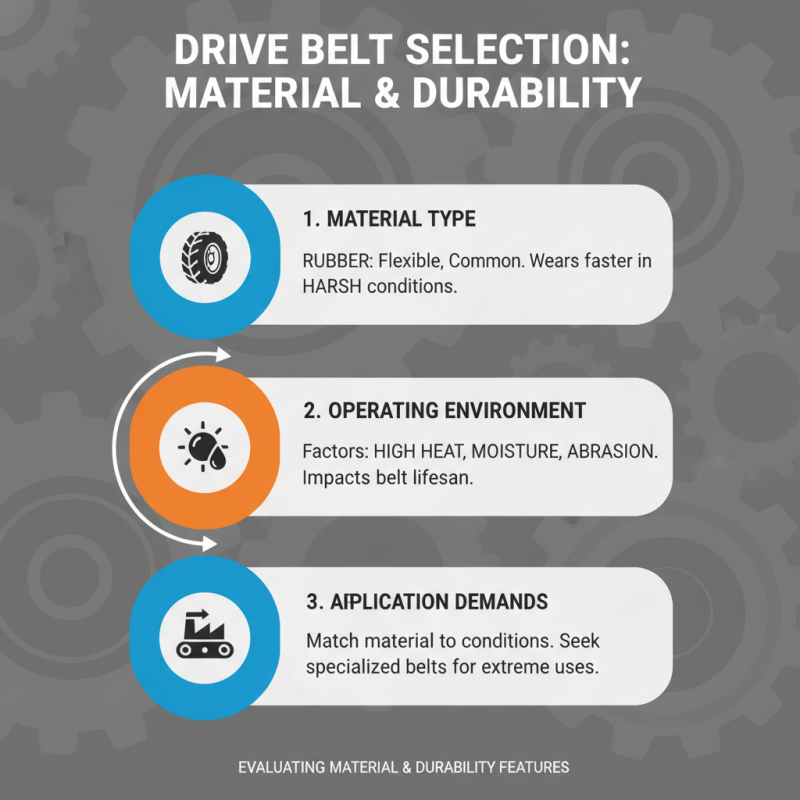
When selecting drive belts for machinery, evaluating material and durability is essential. Different applications demand specific materials. Rubber belts are common for their flexibility. However, they may wear out quickly under harsh conditions. Consider the environment in which the belt will operate. For instance, high heat or moisture can influence the choice significantly.
Durability features are crucial for long-term performance. Look for reinforced belts that can withstand heavy loads. Some belts use advanced compounds designed for high-tension applications. However, not all belts have the same lifespan. Regular maintenance often reveals wear patterns before they become problematic. A proactive approach ensures that small issues do not escalate.
Choosing the right drive belt requires balancing material qualities with operating conditions. Testing belts in real-life conditions can provide insights. Sometimes, the most expensive option might not be the best fit. It’s crucial to assess reliability through experience, as not every product performs equally in every scenario.
Installation and Maintenance Tips for Optimal Drive Belt Performance
Drive belts are critical components in machinery, directly affecting performance and longevity. Regular maintenance ensures optimal function. According to a report by the International Belt and Transmission Association (IBTA), improper installation can lead to premature belt wear. This often results in costly downtime and repairs.
To maximize drive belt performance, consider the following maintenance tips. Regularly inspect belts for signs of wear, such as cracks or fraying. A study revealed that belts with minimal tension can last up to 30% longer than those under excessive stress. Keeping the alignment in check is equally important. Misalignment can cause uneven wear and decrease efficiency.
Cleaning is key as well. Dust and debris can impair belt performance. A simple wipe down can prevent slippage and increase traction. Always follow manufacturer guidelines, but consult with industry experts when in doubt. While these recommendations are effective, sometimes unexpected issues arise, requiring a thoughtful approach to maintenance and adjustments. Keeping a detailed log of performance and maintenance can also provide insights into areas for improvement.