How to Choose the Right Industrial Sprockets for Your Machinery Needs?
Choosing the right industrial sprockets is crucial for efficient machinery operation. Expert John Smith, a leading authority in mechanical engineering, once stated, "Selecting the proper sprocket can greatly enhance system performance." This insight highlights the importance of making informed decisions in the sprocket selection process.
Industrial sprockets play a vital role in power transmission. They connect and drive various machine components. However, choosing the wrong sprocket can lead to significant operational issues. Compatibility with chains, load capacity, and material quality must be considered. A mismatch can cause wear, decreased efficiency, or even machinery failure.
Consider the specific needs of your machinery. Think about the type of loads and speeds involved. Each application has unique requirements. Reflecting on past experiences can guide you towards better choices. Ultimately, the right industrial sprockets can transform your machinery's capabilities and efficiency.
Understanding Different Types of Industrial Sprockets Available
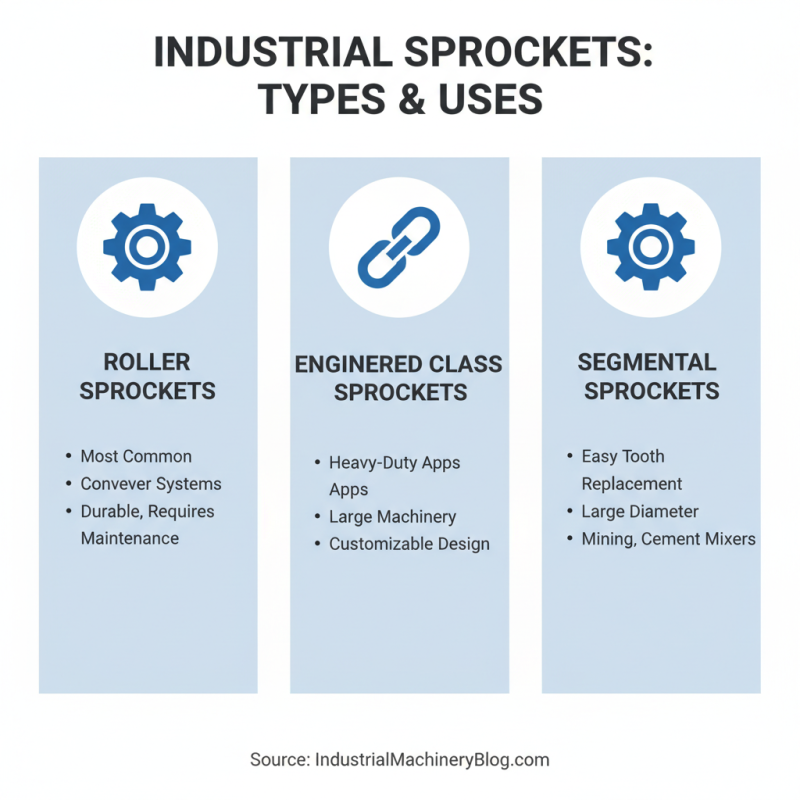
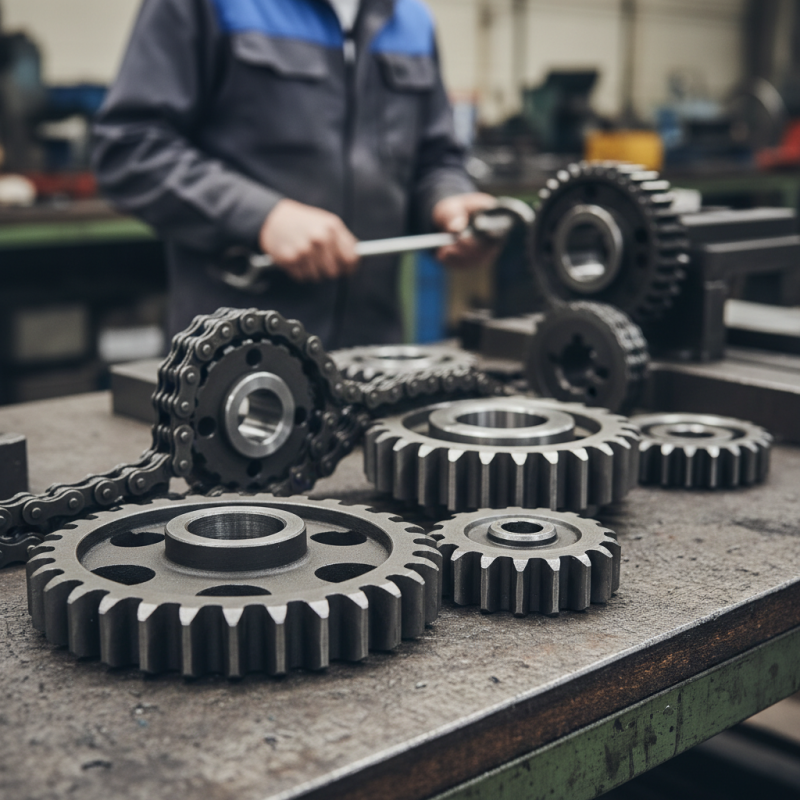
When selecting industrial sprockets, it's vital to understand the various types available. Different designs cater to specific machinery. Roller sprockets are the most common, used widely in conveyor systems. Their durability is appealing, but wear can be an issue if not maintained.
Another type is silent sprockets. They minimize noise, ideal for environments where sound matters. However, their installation may require precision. If improperly set, they may lead to reduced performance. Chain sprockets are robust too. They handle high loads well but can be heavy and difficult to adjust.
Consider the material of the sprockets. Steel offers strength, yet can rust without proper care. Plastic sprockets weigh less but may not withstand heavy operations. Each choice carries trade-offs. Understanding these factors is crucial to making informed decisions. Analyze your machinery's requirements carefully.
Key Factors to Consider When Selecting Sprockets for Machinery
Choosing the right industrial sprockets can be a daunting task. Several factors play a role in making the right decision. Pay close attention to the material. Steel, aluminum, or plastic can each affect performance. Steel is strong, while plastic can be lighter. Think about the environment too. High humidity or extreme temperatures may require specific materials.
Next, consider the size and pitch of the sprocket. A mismatch can lead to inefficient machinery operation. Take accurate measurements of your existing setup. Often, people overlook small details in sizing. A simple miscalculation can cause significant issues down the line.
Don’t forget about the number of teeth. More teeth can provide better grip, but can slow down speed. Fewer teeth might increase speed but could compromise stability. Reflect on the specific application as this will guide your choice. Even experienced professionals sometimes miss these nuances. Taking the time to evaluate your needs will yield better results.
Material Options for Industrial Sprockets: Pros and Cons
When selecting industrial sprockets, material choice plays a crucial role. Common options include steel, plastic, and aluminum. Steel is known for strength. It resists wear and handles heavy loads well. However, it can be heavy and may rust over time without proper care.
Plastic sprockets are lighter and often cheaper. They also resist corrosion. Yet, they may wear faster than metal options. Consider your machine's environment when choosing. A humid setting might not be suitable for steel. An overheated area could degrade plastic.
Tip: Always verify the load capacity stated by the manufacturer. Don’t assume that all materials can handle the same demands. For example, aluminum offers a good balance between weight and strength. But it might not be ideal for very high-stress applications. Evaluate your specific needs carefully before making a decision.
Material Options for Industrial Sprockets: Pros and Cons
Sizing and Compatibility: Ensuring Proper Fit for Your Equipment
Choosing the right industrial sprockets requires careful attention to sizing and compatibility. Proper fit can greatly impact the efficiency of your machinery. Misalignment often leads to wear and tear. It is crucial to measure the pitch, size, and load capacity accurately. A small error in size can lead to significant issues.
Consider the type of equipment you are using. Different machines require different sprocket designs. Look for specifications that match your existing components. Don't overlook the material. Steel and plastic sprockets behave differently. The environment also plays a role; exposure to moisture or chemicals can affect performance.
Incompatibility can result in costly downtime. Evaluate clearance and tension requirements. Ask questions and seek advice if unsure. Sometimes, the ideal sprocket might be harder to find than anticipated. A little research can save resources in the long run. Always double-check measurements and specifications before making a purchase.
Maintenance Tips for Prolonging the Life of Your Sprockets
Maintaining industrial sprockets is crucial for optimal machinery performance. Regular inspections help identify wear or damage early. Check for unusual noises during operations; this can indicate misalignment or excessive wear. Cleaning sprockets regularly removes debris that can cause friction. It’s often overlooked, but a clean environment is vital for longevity.
Lubrication is another key element. Use the right lubricant for your sprockets to reduce friction and wear. Over-lubrication can attract dirt, creating problems. Unexpected breakdowns often stem from lack of proper maintenance, catching many by surprise. Having a maintenance schedule can help track the condition of sprockets over time.
Pay attention to the tension of the chain that interacts with your sprockets. An incorrect tension can lead to premature wear. Some machines may require adjustments more frequently than expected. Reflect on your maintenance habits; improving them can significantly lengthen the life of your sprockets. Identify patterns in wear—it may reveal underlying issues affecting performance.