How to Choose the Right Machinery Belts for Your Needs?
Choosing the right machinery belts is crucial for operational efficiency. According to a recent report by Industry Research Insights, the global machinery belts market is projected to reach $6.5 billion by 2025. This significant growth is driven by the demand for high-performance belts in manufacturing and automotive industries. Expert John Smith from Belt Technologies states, "Selecting the appropriate machinery belts can elevate productivity and reduce downtime."
Different types of machinery belts serve various needs. Factors like material, width, and thickness can greatly impact performance. For example, rubber belts offer flexibility, while steel belts provide durability. Understanding these specifications helps in making informed decisions.
Yet, many companies overlook the importance of proper selection. They may choose based solely on cost, risking efficiency and longevity in the long run. Emphasizing the right choice can result in operational improvements. Incorporating expert advice into the decision-making process enhances reliability. Ultimately, the right machinery belts foster a smoother and more efficient workflow.
Understanding the Different Types of Machinery Belts Available in the Market
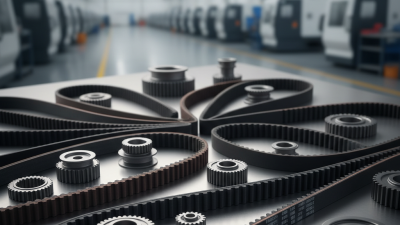
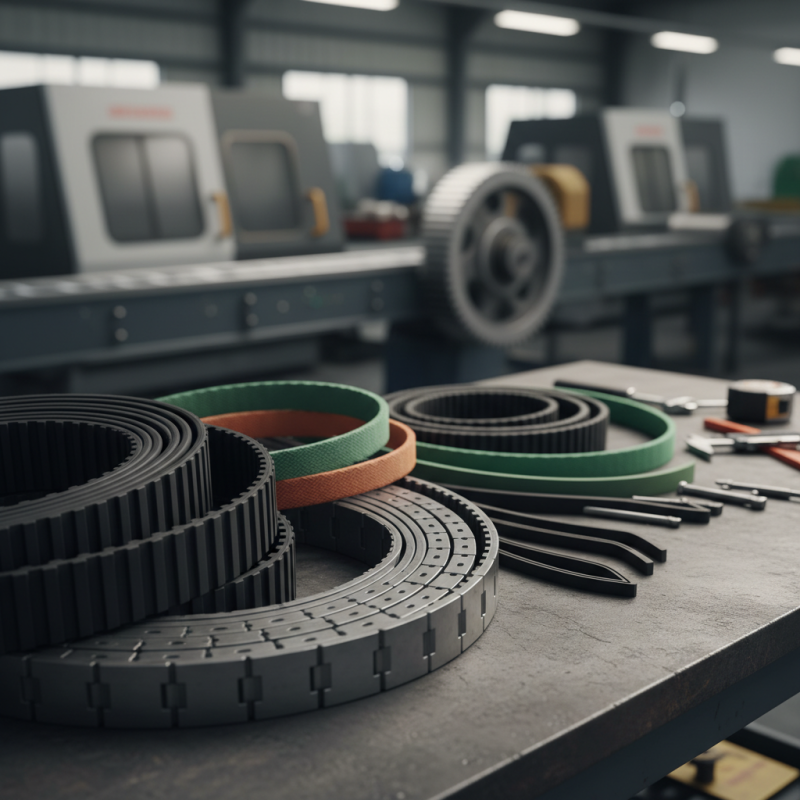
Choosing the right machinery belts can be daunting. Various types exist, each designed for specific needs. Understanding these types is crucial for efficiency and performance. V-belts are common, offering good traction and flexibility. Flat belts are simpler but may slip under heavy loads. Timing belts, with their teeth, ensure precise movement.
Tips: Consider the environment. High temperatures or moist conditions can affect durability. Ensure proper alignment to extend belt life.
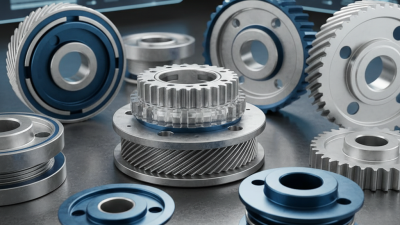
Another important type is round belts. They are ideal for lightweight applications. Gear belts provide reliable power transfer and are essential in machinery needing synchronization. Analyze the load requirements before selecting a belt type.
Tips: Regular maintenance is key. Inspect belts for wear and tear frequently. Replace them before they fail to avoid downtime. Selecting the right belt involves reflection on usage and conditions. Each choice impacts overall machinery efficiency.
Different Types of Machinery Belts and Their Applications
Key Factors to Consider When Selecting Machinery Belts for Your Equipment
Choosing the right machinery belts requires careful consideration of several key factors. The application of the belt is vital. Different machines have unique torque and speed requirements. Understanding these factors helps ensure efficiency and performance. The environment where the machinery operates also plays a significant role. High temperatures or exposure to chemicals can affect belt durability.
Material selection is another critical element. Common options like rubber, polyurethane, and leather offer varied benefits. Each material has specific properties that influence performance and lifespan. Evaluating the load capacity and flexibility is essential. Belts must handle the weight and stress of the operation without failure.
Cost is a tangible concern, yet it should not overshadow quality. Cheaper belts may save money initially but often lead to higher maintenance costs. Failing to select the appropriate belt can result in costly downtime or equipment damage. Regularly reviewing performance metrics will help identify issues early on. This vigilance creates the opportunity for improvements in your selection process.
The Importance of Belt Material: Rubber vs. Polyurethane in Performance
When selecting machinery belts, the choice of material can significantly impact efficiency and durability. Rubber belts are known for their flexibility and shock absorption. They excel in environments with varying loads and temperature fluctuations. In contrast, polyurethane belts often provide superior resistance to abrasion and chemicals. According to a report from the International Belt Association, polyurethane belts can outperform rubber in specific industrial applications by 25% due to their lower friction coefficients.
Consider the operating environment when making your choice. Rubber belts, while versatile, may degrade faster in harsh conditions. The Chemical Resistance Database indicates that polyurethane can resist a broader range of substances, making it a better option for chemical processing industries. However, the initial cost of polyurethane can be higher. Balancing your budget and operational needs is essential for making the right decision.
Additionally, performance isn’t the only factor. Maintenance and replacement cycles can also vary significantly. Rubber belts typically require more frequent replacements in extreme conditions. In contrast, polyurethane belts may last longer but could necessitate more specialized handling during installation. Weighing these aspects can lead to a more informed choice that caters to specific needs.
How to Choose the Right Machinery Belts for Your Needs?
| Belt Material |
Durability |
Flexibility |
Cost |
Recommended Use |
| Rubber |
High |
Moderate |
Low |
Heavy-duty applications |
| Polyurethane |
Moderate |
High |
Moderate |
Flexible and lightweight applications |
Evaluating Load Capacity and Performance Ratings for Machinery Belts
When choosing machinery belts, evaluating load capacity is crucial. Load capacity is the maximum weight a belt can handle. Understanding this aspect helps ensure optimal performance and longevity. Each application has unique demands. Overloading a belt can lead to premature failure or even accidents. It's vital to assess the specific needs of your machinery. Factors like speed, weight, and operating conditions play significant roles.
Performance ratings are equally important in the selection process. They provide insights into how belts perform under different conditions. Look for indicators like tensile strength and elongation ratings. These metrics highlight durability and resistance to wear. A belt with high ratings may be more expensive but could save costs in the long run. Regular maintenance checks are essential. They can reveal wear patterns that inform future decisions.
While many resources exist, not all provide accurate information. It's beneficial to consult with experts who specialize in machinery belts. Their insights can guide you in selecting the right products. However, don't rely solely on ratings and charts. Personal experience often offers valuable lessons. Testing different options in real-world conditions can provide clarity. Each choice carries its risks and rewards, prompting you to rethink your selections continually.
Maintenance and Longevity: Enhancing the Lifespan of Your Machinery Belts
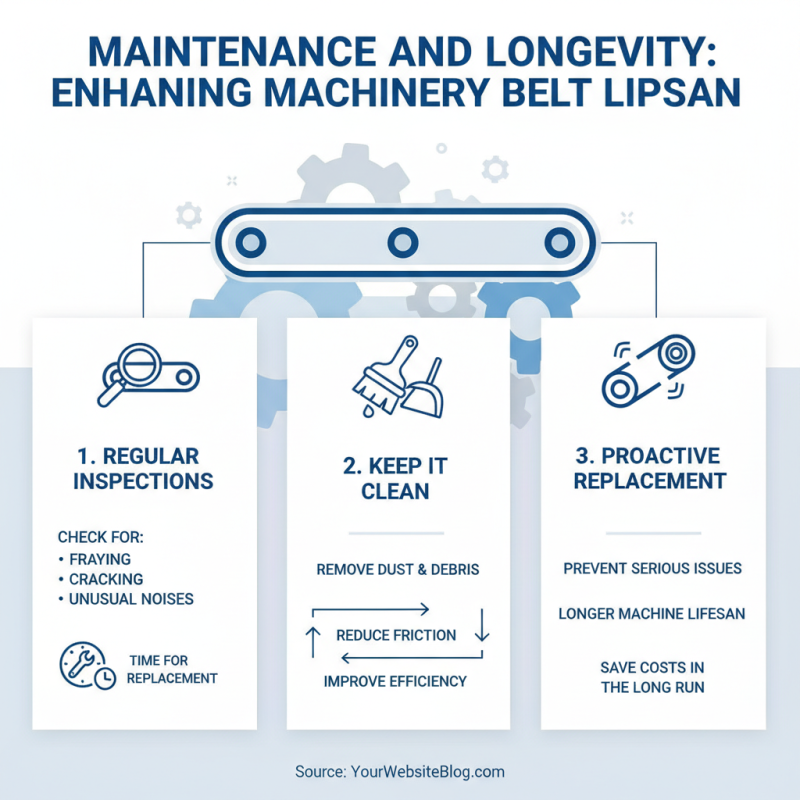
Maintaining machinery belts is essential for their longevity. Regular inspections help identify wear and tear before they become serious issues. Look for fraying, cracking, or unusual noises during operation. These signs indicate it's time for a replacement. Keeping your equipment clean also plays a crucial role. Dust and debris can accumulate, leading to increased friction and reduced efficiency.
Proper tension is vital for optimal performance. Too loose can cause slippage, while too tight can strain components. It's a balance to achieve, and frequent adjustments may be necessary. Also, lubricating pulleys helps reduce friction and wear. However, over-lubrication can attract dirt, leading to further problems.
Remember, even with the best care, machinery belts can fail unexpectedly. Regularly monitor your equipment and stay prepared for replacements. Reflecting on past failures can also provide insights for future maintenance strategies. Prioritizing these practices not only enhances belt lifespan but also overall machinery performance.