How to Choose the Right Flat Belt for Your Industrial Applications?
Selecting the right Flat Belt for industrial use can be a complex task. Experts like James Carter, a leading specialist in conveyor systems, have stated, "A good Flat Belt can make or break your efficiency." This highlights the importance of choosing an appropriate belt for your application.
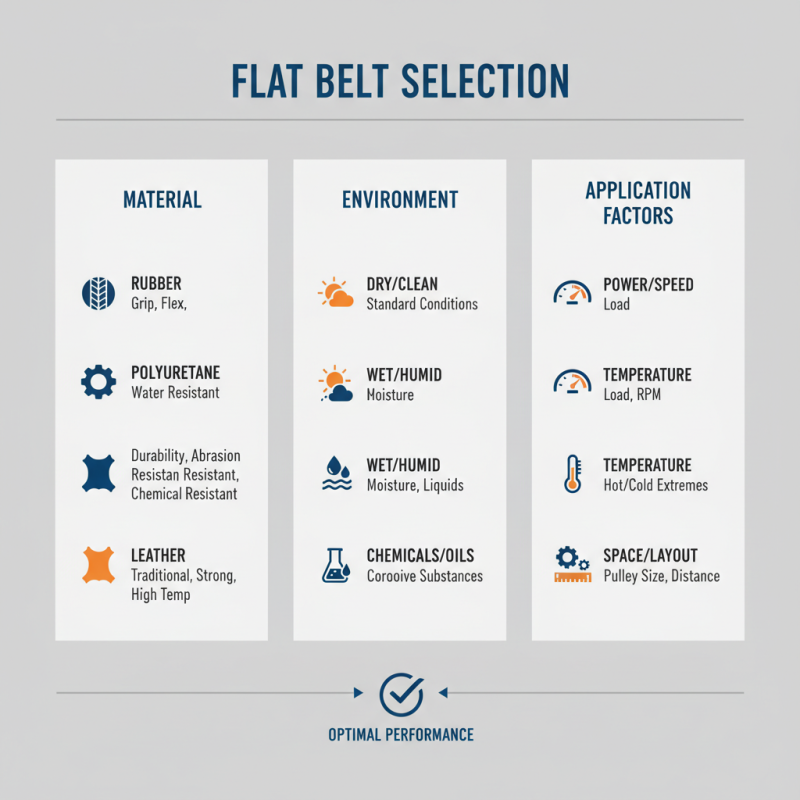
Various factors influence your choice. Different materials and designs serve specific purposes. For instance, rubber Flat Belts offer flexibility and durability, while polyurethane belts resist abrasion. Understanding these details can help refine your options. Not considering operational conditions could lead to inefficiencies or premature wear.
Ultimately, it is crucial to assess your unique needs. While many focus solely on price, durability may be more significant in the long run. Ignoring the environment in which the Flat Belt will operate can be a critical misstep. Carefully weigh all factors before making your decision.
Understanding the Basics of Flat Belts in Industrial Settings
Flat belts play a crucial role in various industrial applications. Understanding the basics of flat belts can simplify your equipment selection. These belts are designed for power transmission and material handling. They are often used in conveyors and machinery.
When choosing a flat belt, consider the width and thickness. The right dimensions impact efficiency. Additionally, the material of the belt influences its performance. Common materials include rubber and fabric. Each has advantages and drawbacks. Be mindful of the environmental conditions too. High temperatures or exposure to chemicals may damage certain belts.
Installation often requires careful alignment. Misalignment can lead to premature wear. It's essential to monitor the belt's condition regularly. A worn belt may slip or break. Replacing it in time can save costs. However, understanding the needs of your specific application is vital. Not every belt type suits every scenario. Reflection on your requirements can lead to more effective decisions.
Types of Flat Belts and Their Specific Applications
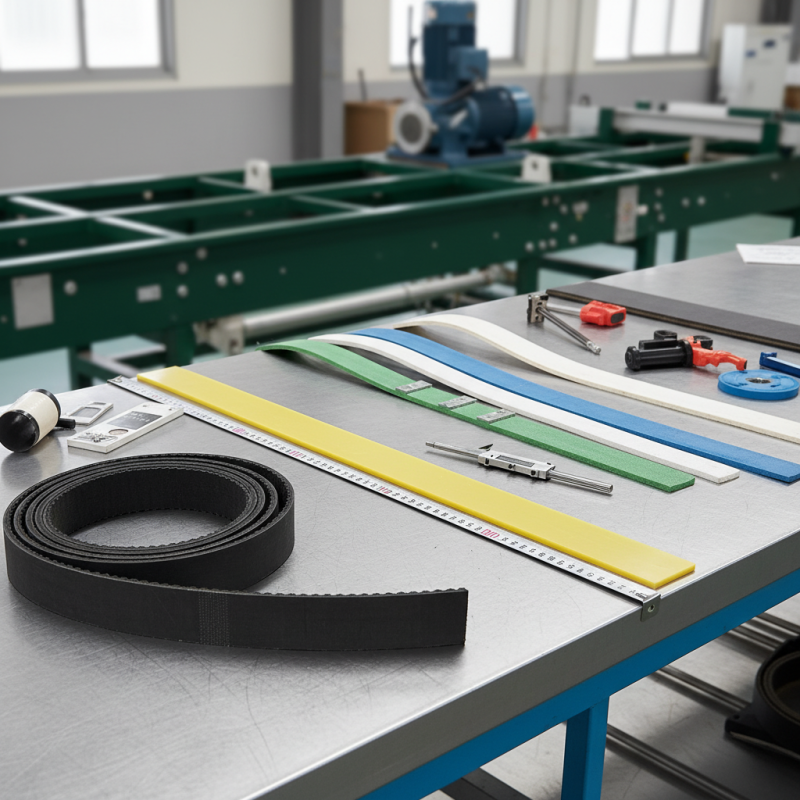
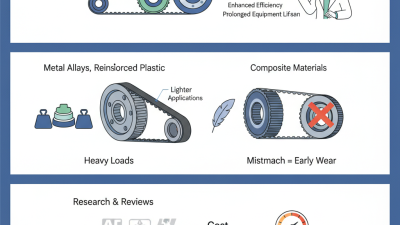
When selecting flat belts for industrial use, understanding their types and applications is essential. Flat belts are commonly made from materials like rubber, leather, and synthetics. Each type has unique properties suited for specific tasks. For instance, rubber belts are flexible and ideal for light-duty tasks, while leather belts withstand high loads.
There are various flat belt types. One popular category is the lightweight flat belts, generally used in conveyors and packaging systems. These belts offer good grip and durability. Heavy-duty flat belts handle industrial machinery that requires robust performance under stress. Choosing the correct type can significantly impact efficiency.
**Tips:** Evaluate your system's load and speed needs. Use sensors to monitor wear and tear on belts. Regular maintenance can prolong belt life. Remember, sometimes, a cheaper option may not serve well in the long run. Understanding your specific requirements is more critical than the brand. Adaptability matters, and it's okay to experiment with different materials and designs until you find the perfect fit.
Types of Flat Belts and Their Specific Applications
Maintenance Tips for Prolonging the Life of Flat Belts
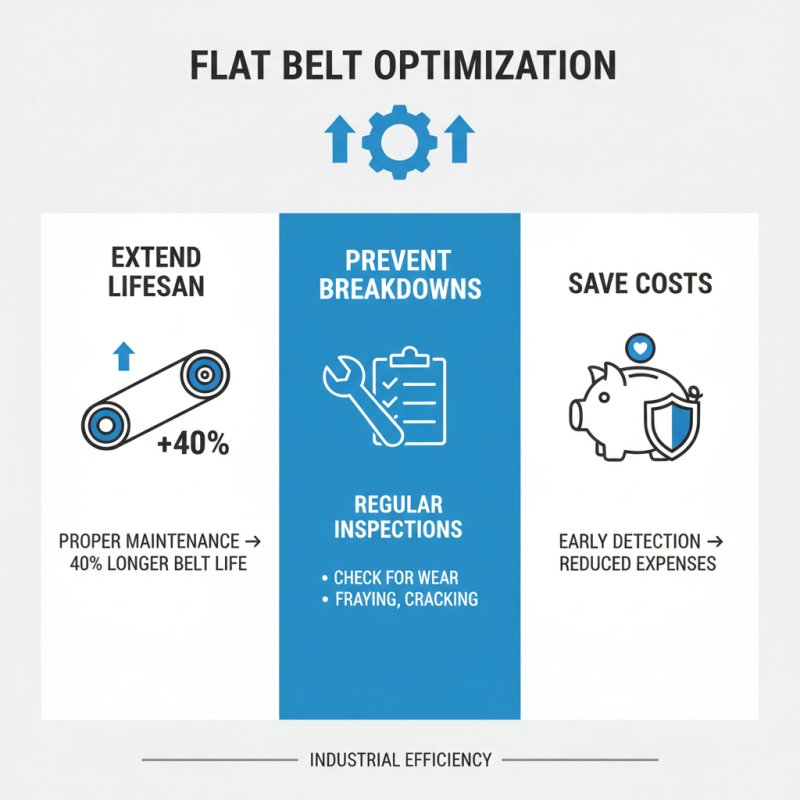
Maintaining flat belts in industrial settings is crucial for optimizing performance. Studies show that proper maintenance can extend the lifespan of flat belts by up to 40%. Regular inspections are key. Look for signs of wear, such as fraying or cracking. Identifying issues early can prevent costly breakdowns.
Lubrication is another essential part of maintenance. Although flat belts don't always require lubrication, when they do, it should be applied correctly. Too much or too little can lead to slippage or overheating. According to industry reports, improper lubrication accounts for nearly 30% of flat belt failures.
Environmental factors also play a significant role. Dust, humidity, and temperature fluctuations can degrade belt material over time. It's essential to keep work areas clean and maintain stable conditions. Regular cleaning can remove debris that causes abrasions. Remember, attention to these details often determines the efficiency of your equipment.
Common Mistakes to Avoid in Flat Belt Selection and Usage
Selecting the right flat belt for industrial use can be challenging. Many people overlook critical factors during the selection process. One common mistake is not considering the application's environment. Conditions like dust, moisture, and temperature can significantly impact belt performance. If the environment is harsh, it’s essential to select a belt designed for those conditions.
Another frequent error is underestimating the required load capacity. Some may choose a belt that seems adequate without factoring in peak loads. This oversight can lead to premature wear or even belt failure. Always assess the maximum load your system will experience. It’s important to take accurate measurements and calculations seriously.
Lastly, installation and maintenance are often neglected. A poorly installed belt can create misalignment and increase wear. Regular maintenance helps identify issues before they escalate. Ignoring warning signs like unusual noises or vibrations can lead to bigger problems. Awareness of these mistakes can enhance the longevity and efficiency of flat belts in your operations.