Why Do You Need to Replace Your Cam Belts Regularly?
Regular maintenance of your vehicle is crucial for its longevity. One critical component often overlooked is the cam belt. According to industry expert Mark Anderson, "Ignoring cam belt replacement can lead to dire consequences." This highlights the importance of regular replacements.
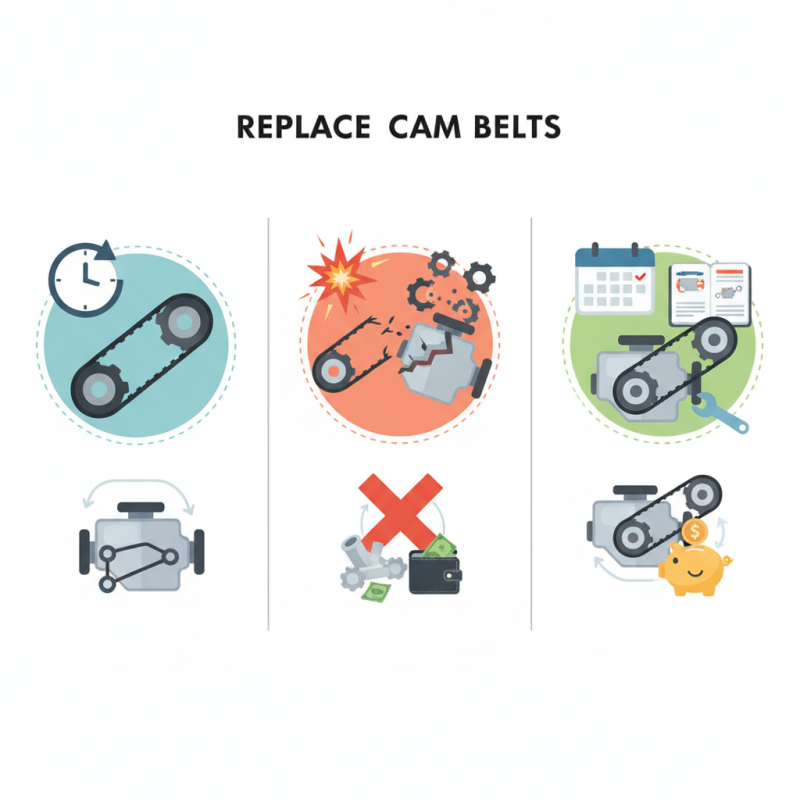
Cam belts play an essential role in synchronizing the engine's functions. If a cam belt fails, the engine may sustain severe damage. Many drivers wait too long before replacing this crucial part. This negligence can result in costly repairs and unexpected breakdowns.
Moreover, the lifespan of cam belts varies by manufacturer. Some may last up to 100,000 miles while others need replacement sooner. It's vital to consult your vehicle’s manual for specifics. Ultimately, being proactive about cam belt maintenance can save time and money. Ignoring it could lead to situations you might never foresee.
Importance of Cam Belts in Engine Functionality
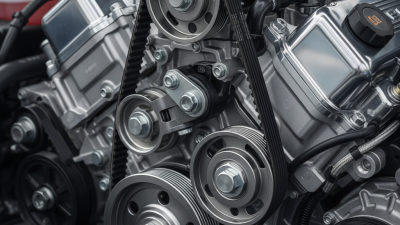
Cam belts, or timing belts, play a crucial role in your engine's functionality. They synchronize the rotation of the crankshaft and camshaft, ensuring that engine valves open and close at the right time. When these belts wear out, they can lead to serious engine complications. A snapped belt often results in significant damage, sometimes requiring a full engine rebuild.
Regular replacement of cam belts is essential to avoid such risks. The general service life is typically around 60,000 to 100,000 miles. Neglecting this can lead to costly repairs and downtime. Many drivers overlook this simple task. They focus on oil changes and tire rotations instead. This mindset can be detrimental. Ignoring warning signs like abnormal noises or engine misfires can mean trouble.
Keeping an eye on your cam belt is straightforward. Look for cracks or fraying. It's wise to consult a mechanic for a thorough inspection. While it may seem tedious, taking care of this small part is vital. Your engine relies on it to function smoothly. Ensuring that you replace your cam belt regularly helps maintain the health of your engine. After all, prevention is often better than cure.
Common Signs of Cam Belt Wear and Tear
Cam belts need regular replacement to ensure your vehicle runs smoothly.
Over time, they experience wear and tear that can lead to serious engine damage.
Identifying the common signs of cam belt wear is crucial for vehicle maintenance.
One of the first signs is visible cracking.
These cracks can start small but worsen over time. If you notice them, it’s time to inspect further.
Another sign is fraying or missing teeth. This issue can cause the belt to slip or break, leading to catastrophic engine failure.
Pay attention to any unusual sounds as well. A rattling noise might indicate that the cam belt is not functioning correctly.
Tips for monitoring your cam belt include checking for tension. A loose belt can cause slipping, which might result in engine misfires.
Regularly inspect for any signs of oil leaks around the belt.
Oil can degrade the material, leading to premature wear. Keep an eye on the vehicle’s performance as well.
If you feel a drop in power or hear odd noises, it’s worth a closer look.
Remember, neglecting these signs can lead to costly repairs.
Recommended Replacement Intervals for Cam Belts
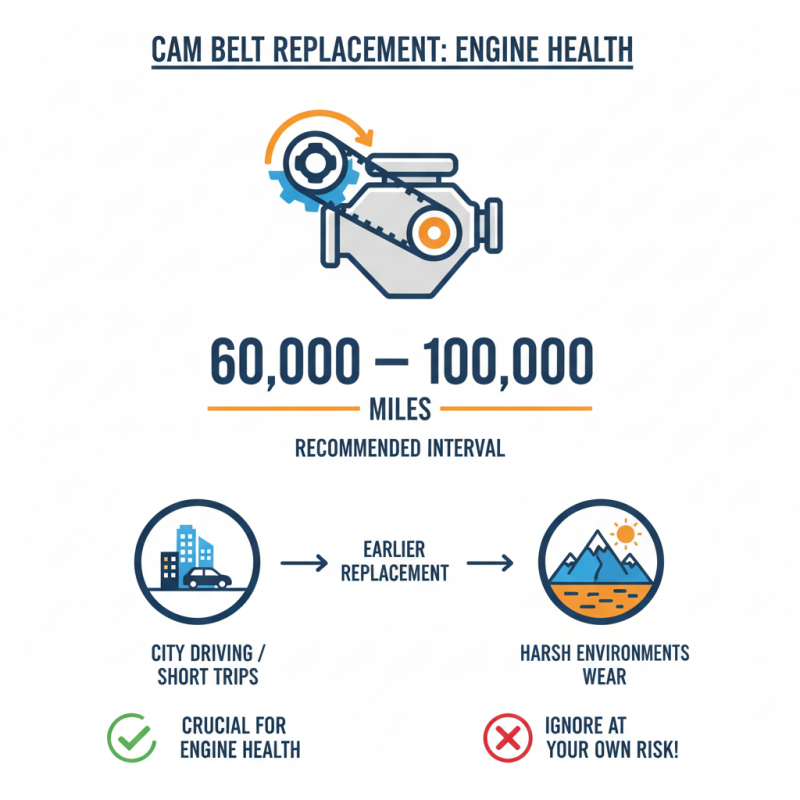
Regular cam belt replacement is crucial for engine health. Most experts recommend changing cam belts every 60,000 to 100,000 miles. However, this interval can vary based on driving conditions. For some vehicles, city driving and frequent short trips may necessitate earlier replacements. In harsh environments, belts can wear out faster than expected.
Maintaining your cam belt helps prevent costly repairs. A broken belt can lead to severe engine damage, costing thousands in repairs. Reports indicate that neglecting this maintenance can lead to a 20% higher chance of engine failure. Check your vehicle's manual for specific guidelines. Always consult with a mechanic if unsure.
**Tip:** Keep a close eye on unusual noises from the engine. This could indicate a worn cam belt. Additionally, consider keeping a log of your maintenance work. It helps track replacements and schedules. Regular visual inspections can also save you time and money in the long run. Prioritize your vehicle’s health; don’t wait for warning signs.
Consequences of Ignoring Cam Belt Replacement
Ignoring the replacement of your cam belt can lead to serious consequences. A worn-out cam belt may snap unexpectedly. This can result in significant engine damage. According to industry reports, failing to replace the cam belt on time can lead to repair costs ranging from $1,500 to $3,000. These numbers highlight the financial risks involved.
Many car owners underestimate the importance of regular maintenance. A cam belt typically needs replacement every 60,000 to 100,000 miles. However, heat and wear can affect its longevity. Drivers should be aware of signs of wear, such as unusual noises or performance issues. It is crucial to check your owner's manual for specific recommendations.
Tips: Regular inspections can help catch issues early. Consider setting reminders for scheduled maintenance. Ignoring warnings may lead to breakdowns. Take action before it’s too late. Your car deserves attention, and so does your wallet.
Importance of Regular Cam Belt Replacement