Why Choose Round Belt Pulley for Efficient Power Transmission?
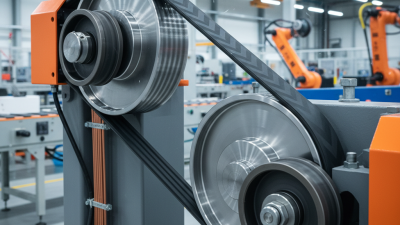
The Round Belt Pulley is an essential component in efficient power transmission systems. It plays a critical role in various applications, from industrial machinery to household appliances. The design of the Round Belt Pulley allows for smooth operation and reduces friction in the system. This enables a more effective transfer of power.
Using a Round Belt Pulley can enhance performance. It provides flexibility and adaptability to different setups. The round shape allows for consistent tension, minimizing slippage during operation. This reliability can lead to increased efficiency in mechanical systems. However, it is worth noting that not all applications may benefit equally from this type of pulley. There are situations where alternative designs might be more suitable.
In conclusion, while the Round Belt Pulley offers many advantages, it is essential to assess your specific needs. Understanding the characteristics of the pulley can lead to better decision-making. Maintenance and compatibility should also be considered. Evaluating these factors ensures optimal performance in power transmission systems.
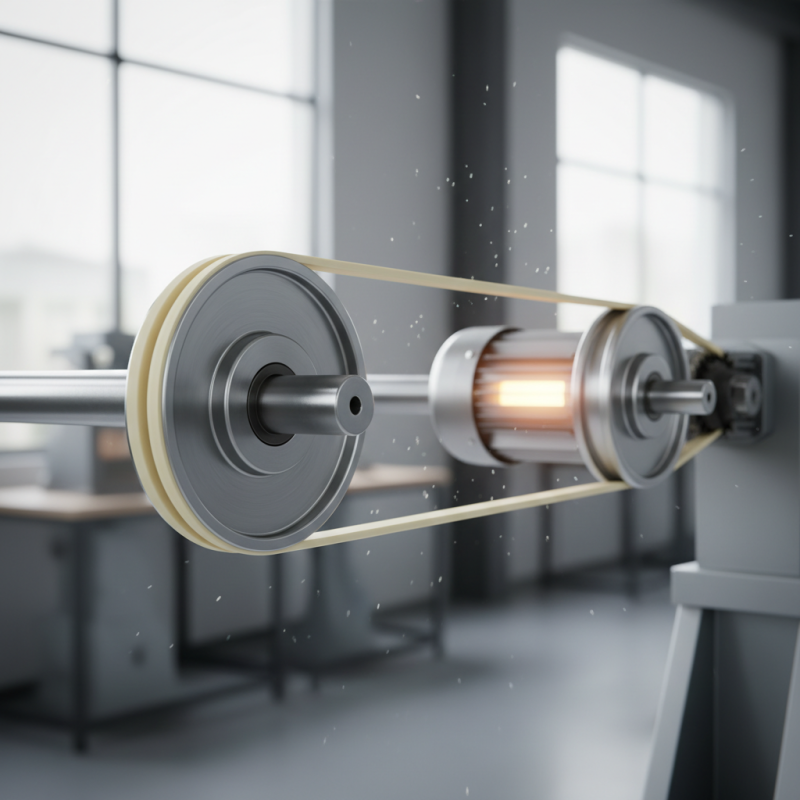
Understanding the Design and Mechanics of Round Belt Pulleys
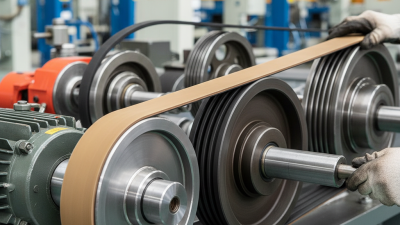
Round belt pulleys are becoming increasingly popular in various mechanical systems. Their design is not just visually appealing; it serves an important function. The shape allows for smooth and efficient power transmission. The round design reduces wear and tear. This can lead to longer lifespans for both the pulley and the belt.
The mechanics behind round belt pulleys are intriguing. They often incorporate elements like a groove. This groove helps in aligning the belt, providing stability during operation. However, the alignment can sometimes be tricky. A slight misalignment can cause slippage. This is an issue that needs attention.
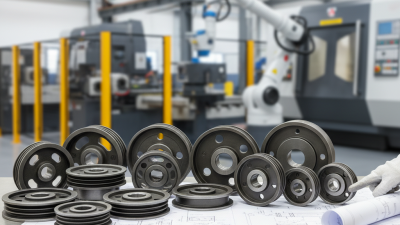
In addition, round belt pulleys can be made from different materials. Plastic, metal, and rubber are common choices. Each material has its pros and cons. For instance, plastic is lightweight but may wear more quickly. Rubber offers grip but can stretch over time. Exploring these options can help you find the best choice. Balancing durability and efficiency is vital for optimal performance.
Advantages of Round Belt Pulleys Over Other Types for Power Transmission
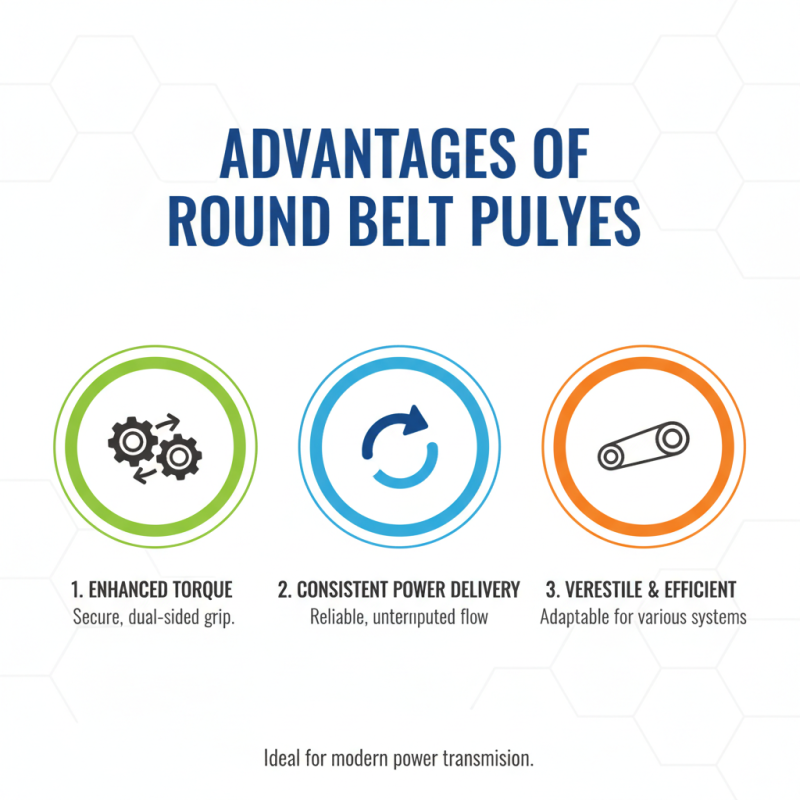
Round belt pulleys are increasingly popular in power transmission systems. They offer unique benefits that set them apart from traditional pulleys. Round belts provide a secure grip on both sides, which enhances torque transmission. This is crucial for systems requiring consistency in power delivery.
Round belt pulleys also reduce slippage. This characteristic improves overall efficiency. A secure connection means less energy is wasted. Moreover, they operate with low noise levels, adding a benefit in workplaces where noise reduction is desired.
**Tip:** Regularly check the tension of your round belts. Proper tension maximizes efficiency and lifespan.
Another advantage is their lightweight design. This can lead to easier handling during installation and maintenance. However, it’s essential to consider that not all applications will benefit from round belts. In some cases, their flexibility may not be ideal for high-stress environments.
**Tip:** Evaluate your specific needs before choosing a pulley type. Think about speed, torque, and environmental factors.
Applications of Round Belt Pulleys in Various Industries
Round belt pulleys are widely utilized across various industries for their efficiency in power transmission. In manufacturing, they play a crucial role in conveyor systems. These pulleys allow smooth movement of materials, minimizing friction and wear. In textile production, round belt pulleys help in driving sewing machines without damaging delicate fabrics. Their design ensures consistent speed and reliability.
In the food industry, round belt pulleys convey items through processing lines. They can handle different shapes and sizes of food packages, contributing to streamlined operations. The ability to maintain hygiene is vital here, and these pulleys meet those standards.
Tip: Regular maintenance of round belt pulleys is essential. Check for signs of wear and replace them as needed.
These pulleys are also seen in agricultural equipment. They transfer power efficiently to various components, like harvesters and irrigation systems. The adaptability of round belt pulleys to different environments is noteworthy. However, they may show performance issues under heavy loads.
Tip: Monitor load capacities to prevent failures during peak usage. Proper load distribution can enhance lifespan.
Round belt pulleys serve various functions across multiple sectors. While they are reliable, understanding their limits is crucial for effective application.
Factors to Consider When Choosing Round Belt Pulleys
When selecting round belt pulleys, several factors are crucial. First, consider the material. Sturdy materials like aluminum or plastic often deliver better performance. Each option has pros and cons. Aluminum is durable, while plastic may be lighter and cheaper. The choice depends on your specific needs.
Next, pay attention to the pulley size. Diameter impacts speed and torque. A smaller pulley may increase speed but could reduce torque. This trade-off is essential in your application. Ensure the size aligns with your system requirements. Sometimes, adjustments may be necessary, leading to unexpected challenges.
Finally, think about the environment. Extreme temperatures or exposure to chemicals can affect pulley performance. Choose a round belt pulley that can withstand the conditions. Reflecting on these factors can lead to better decisions. Efficiency can suffer from oversight. Each choice matters in achieving effective power transmission.
Why Choose Round Belt Pulley for Efficient Power Transmission? - Factors to Consider When Choosing Round Belt Pulleys
| Factor |
Description |
Impact on Power Transmission |
| Material |
The type of material affects durability and friction. |
Higher durability results in longer service life and less downtime. |
| Diameter |
The diameter of the pulley affects speed and torque output. |
Larger diameters can increase torque, but may reduce speed. |
| Profile Shape |
Round, flat, or other profile shapes influence stability. |
Proper profile enhances grip and minimizes slippage. |
| Load Capacity |
Maximum load it can handle without deformation. |
Ensures safe operation under expected loads. |
| Belt Compatibility |
Compatibility with different types of belts. |
Improves overall efficiency of the system. |
Maintenance Tips for Enhancing the Efficiency of Round Belt Pulleys
Round belt pulleys offer a unique advantage in efficient power transmission. However, to maximize their potential, maintenance is key. Regular inspection can help avoid potential failures. According to industry reports, improper tensioning accounts for up to 30% of pulley-related issues. It’s essential to check tension levels frequently. Over or under-tensioning can lead to reduced performance.
Lubrication is another critical factor. Using the right lubricant can enhance the lifespan of round belt pulleys. Research shows that proper lubrication can reduce friction by 15%, increasing overall efficiency. However, many overlook this step. Neglecting it leads to increased wear and tear.
Cleaning is vital too. Dust and debris can accumulate over time, affecting performance. A clean working surface allows for better traction. Some users often forget this crucial aspect. Regular cleaning schedules could prevent unnecessary downtime. Implementing a comprehensive maintenance plan can significantly improve the functionality of round belt pulleys.