What is a Timing Pulley and How Does it Work?
Timing pulleys play a crucial role in mechanical systems. They provide a reliable means to transfer motion between rotating components. Understanding how timing pulleys work is fundamental for designers and engineers alike.
These devices use teeth to engage with timing belts, maintaining precise alignment. This ensures consistent speed and torque transmission over time. Unlike regular pulleys, timing pulleys minimize slippage, which improves overall efficiency. This efficiency is vital in various applications, from automotive engines to conveyor systems.
When considering a timing pulley, it is important to assess material quality and design intricacies. Optimizing for durability and wear resistance can lead to enhanced performance. However, one must also reflect on potential drawbacks. Not all systems may benefit from timing pulleys. Hence, careful evaluation is essential to ensure application suitability.
What is a Timing Pulley?
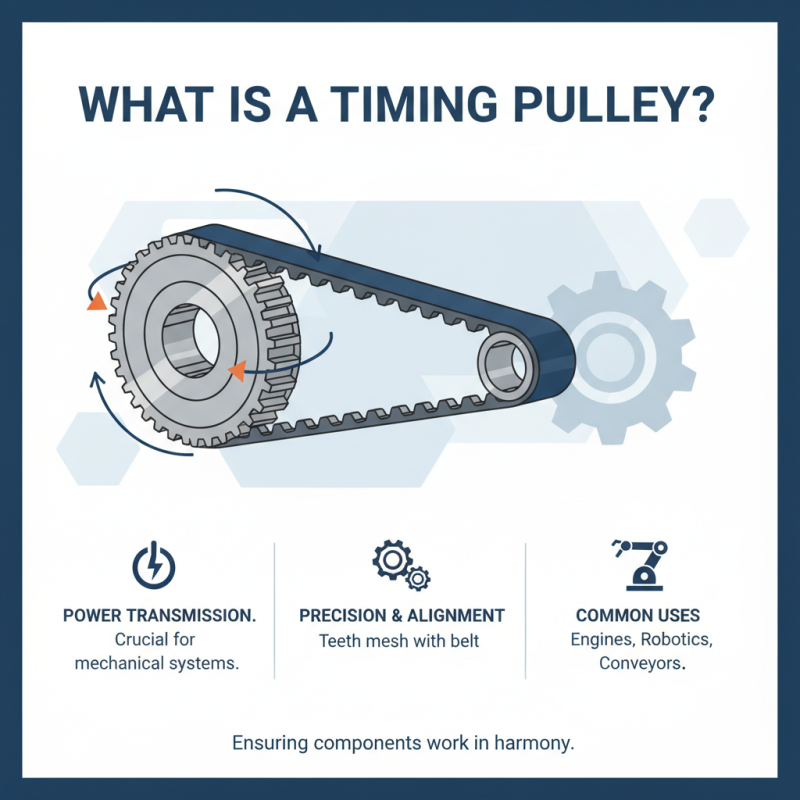
A timing pulley is a crucial component in mechanical systems, playing a vital role in power transmission. Unlike standard pulleys, timing pulleys have teeth that mesh perfectly with a belt. This design helps maintain precise timing and alignment between connected parts. Commonly found in engines, conveyor systems, and robotics, timing pulleys ensure that components work in harmony.
When considering a timing pulley, it's essential to choose the right size and tooth profile. The wrong choice can lead to slippage or increased wear.
Tips: Always check compatibility with your existing system. Measure the distance between shafts accurately.
In addition, routine maintenance is key. Inspect for wear on both the pulley and belt. Replacing them promptly can prevent more significant issues down the line.
Tips: Keep spare parts ready for quick replacements. Regularly lubricate moving parts to enhance performance.
Understanding timing pulleys can seem daunting. However, with attention to detail and maintenance, they can effectively support your mechanical needs. You may find that small adjustments yield significant improvements in efficiency.
The Components of a Timing Pulley
Timing pulleys are essential components in many mechanical systems. They ensure synchronized movement in applications such as automotive engines and conveyor systems. The precise interaction between the pulley and the timing belt, which features teeth for enhanced grip, minimizes slippage and maximizes efficiency. According to industry reports, businesses that implement high-quality timing pulleys can see up to a 25% increase in operational efficiency.
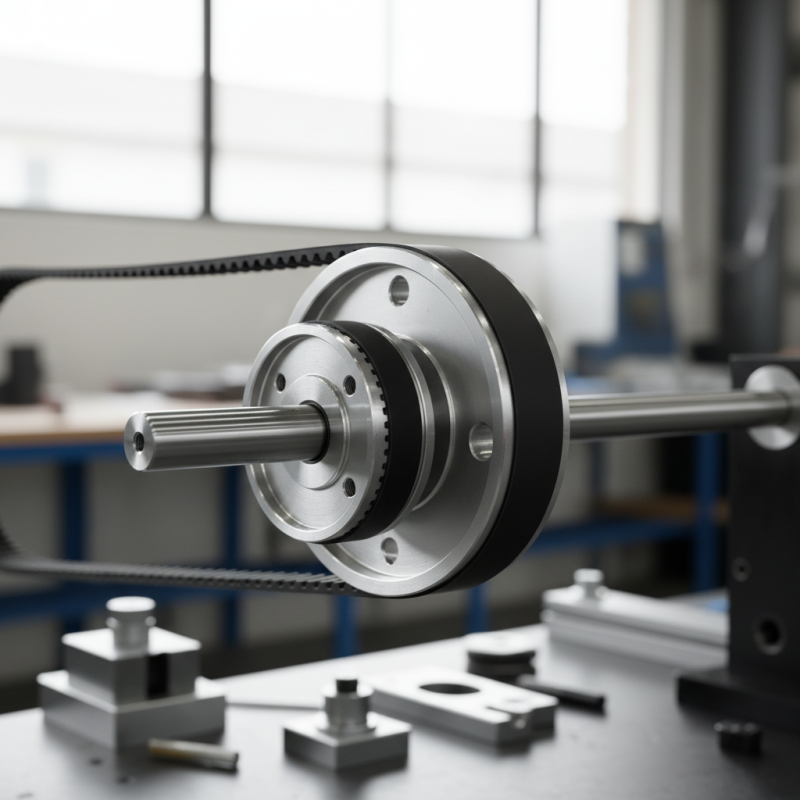
A typical timing pulley consists of several parts. The pulley itself is usually made from durable materials such as aluminum or plastic. This choice provides balance between strength and weight. The teeth on the pulley match the belt’s corresponding teeth to create a secure connection. Additionally, many timing pulleys feature flanges on either side. These flanges help keep the belt aligned, preventing unexpected slippage. Even with optimal designs, issues can arise, such as wear and misalignment over time.
Installation and maintenance of timing pulleys require attention to detail. Without proper alignment, the system can suffer from decreased performance. A misaligned pulley may lead to premature wear, which can reduce the system's lifespan significantly. Regular monitoring and adjustments can mitigate these risks. Therefore, investing time in proper setup and routine inspections is vital for performance longevity.
What is a Timing Pulley and How Does it Work? - The Components of a Timing Pulley
| Component |
Function |
Material |
Common Uses |
| Timing Belt |
Transmits motion and power while maintaining synchronization |
Rubber or polyurethane |
Automotive engines, industrial machinery |
| Pulley Wheel |
Houses the timing belt and helps in smooth rotation |
Aluminum, steel, or plastic |
Conveyor systems, robotics |
| Teeth |
Engages with the belt to prevent slippage |
Plastic or rubber |
CNC machinery, printing presses |
| Bearings |
Reduces friction and supports rotation |
Steel or ceramic |
Automotive, aerospace |
| Mounting Hardware |
Secures the pulley system in place |
Steel or aluminum |
Construction, renovation projects |
How Timing Pulleys Function in Mechanical Systems
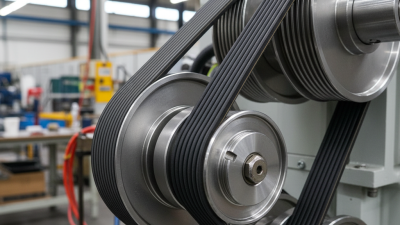
Timing pulleys are critical components in various mechanical systems. They transmit motion and power between shafts with precision. These pulleys work with timing belts, which have teeth that mesh with corresponding notches on the pulley. This design prevents slippage, allowing for accurate synchronization of moving parts.
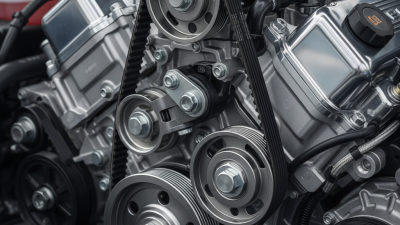
In engines and conveyor systems, timing pulleys help maintain the correct timing of components. For instance, in an automobile engine, they ensure that the crankshaft and camshaft rotate in harmony. This synchronization is vital for optimal engine performance. If these pulleys wear out, it can lead to timing issues, affecting efficiency and power.
Tips: Regularly check the condition of your timing pulleys. Look for signs of wear or damage. If you notice any issues, consider replacement. Proper maintenance can prevent costly failures. Additionally, ensure your timing belts are correctly tensioned. Incorrect tension can lead to premature failure of both belts and pulleys.
Advantages of Using Timing Pulleys in Machinery
Timing pulleys play a crucial role in machinery by ensuring precise transmission of motion. These pulleys are designed to maintain synchronization between different components, enhancing operational efficiency. One significant advantage is their ability to reduce slippage. This is vital in applications requiring accurate timing, such as in conveyor systems and robotic arms. According to a report from the American Society of Mechanical Engineers, systems using timing pulleys can achieve up to 98% efficiency.
Another key benefit is their durability. Timing pulleys are often made from high-strength materials, allowing them to withstand harsh conditions without significant wear. This leads to reduced maintenance costs and longer service life. A study by the International Journal of Mechanical Engineering revealed that machinery with timing pulleys experienced 30% fewer breakdowns compared to those using traditional belt systems. However, while timing pulleys offer these advantages, the initial installation can be complex. Proper alignment and tensioning are crucial to realizing their full potential, which may require specialized knowledge.
In terms of design flexibility, timing pulleys come in various sizes and configurations to meet specific needs. They can be easily integrated into existing machinery setups. Nevertheless, it is essential to consider the specific requirements of each application. Engineers must analyze load requirements and speed to select the appropriate timing pulley. This thoughtful approach ensures optimal performance while mitigating potential challenges in implementation.
Applications of Timing Pulleys in Various Industries
Timing pulleys are crucial in various industries for their precise transmission of power and motion. They are designed to synchronize the movement of multiple components effectively. In manufacturing, timing pulleys ensure machines operate smoothly, reducing wear and tear. This precision is essential in conveyor systems, where timing is everything. Such systems need to maintain consistent speed to ensure product quality.
In the automotive sector, timing pulleys play a significant role in engine performance. They help regulate the timing of the crankshaft and camshaft, ensuring optimal engine operation. Engineers design these components with specific materials that withstand high temperatures and stress. However, improper installation can lead to functionality issues. This highlights the need for technician training and meticulous installation processes in automotive applications.
Moreover, timing pulleys also find applications in robotics and CNC machines. They enable precise movements required for intricate manufacturing tasks. The demand for accuracy in these fields cannot be overstated. However, not all setups are flawless. Misalignment or incorrect measurements can lead to failure, requiring a deeper understanding of mechanics. This need for technical knowledge emphasizes the importance of continuous learning in engineering disciplines.