Inquiry
Leave Your Message

China Top Synchronous Belt Suppliers for Global Buyers?

China has become a major sourcing destination for Synchronous Belt products. Its manufacturers serve automotive equipment, packaging lines, robotics, textile machines, and factory automation. Global buyers can find polyurethane belts, rubber belts, open-ended profiles, and custom lengths from one market.

However, supplier selection requires more than comparing prices. A reliable manufacturer should show clear tooth profiles, material specifications, pitch tolerances, tensile strength, and production records. Product samples matter. So does factory experience.

Dr. Robert L. Norton, a respected machine-design author and educator, offers a useful principle: “Good design begins with the actual load, speed, and environment.” This idea applies directly to every Synchronous Belt purchase. A belt running beside oil mist needs different protection from one used in a clean packaging room. A high-speed servo drive also demands tighter tracking and stronger cord construction.

Experienced buyers usually examine several practical details. They ask about inspection equipment, mold control, batch traceability, and replacement support. They also test belt noise, tooth engagement, and dimensional stability before approving larger orders. Small details matter.

Price alone can mislead.

A low quotation may hide inconsistent rubber, weak tensile cords, or limited technical support. Some suppliers look impressive online but provide incomplete test data. That weakness deserves attention.

This guide evaluates China’s leading Synchronous Belt suppliers for global buyers. It considers product range, engineering capability, customization, export experience, quality systems, and communication reliability. The ranking cannot replace independent verification. Buyers should still request samples, audit records, and performance evidence before committing to production volumes. Mistakes remain possible, especially when specifications are unclear.

China Top Synchronous Belt Suppliers for Global Buyers?

What Are Synchronous Belts and Why Source Them from China?

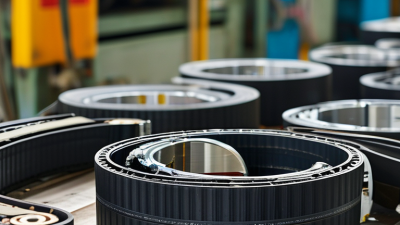
Synchronous belts, also called timing belts, transfer motion through molded teeth that engage with matching pulley grooves. Unlike friction-driven belts, they reduce slipping and help maintain accurate shaft timing. They are used in packaging machines, textile equipment, conveyors, printers, and many automated systems. Belt performance depends on pitch, tooth profile, width, tensile cords, rubber compound, and operating temperature.

China has become a practical sourcing base because its industrial supply chain covers rubber processing, cord production, molding, machining, and export logistics. Qualified suppliers can support standard sizes and custom designs, including special lengths, coatings, and reinforced profiles. However, low price alone proves little.

During supplier checks, buyers should review material certificates, dimensional inspection records, fatigue testing, and production traceability. I once underestimated pulley alignment; the belt looked correct, but uneven wear appeared after several weeks. That detail matters.

Tips: Share complete drawings, load data, speed, temperature, and pulley dimensions before requesting quotations. Ask for samples from the same production process used for bulk orders. Compare tooth accuracy, surface finish, noise, and tension stability. Request clear tolerances and replacement policies. A video inspection can help, but it cannot replace physical testing. Also, confirm packaging quality for long-distance transport. Even a reliable supplier may need better communication when specifications are translated poorly.

How to Identify China’s Leading Synchronous Belt Suppliers

China Top Synchronous Belt Suppliers for Global Buyers?

How to Identify China’s Leading Synchronous Belt Suppliers

Finding a capable synchronous belt supplier requires more than comparing online prices. Start by checking factory experience, production equipment, and quality control records. A reliable supplier should explain tooth profiles, tensile cord materials, rubber compounds, and operating temperature limits clearly.

Ask for technical drawings and a pre-production sample. Measure the belt width, pitch, tooth shape, and length with calibrated tools. Check whether the supplier can provide material certificates, inspection reports, and batch traceability. These documents show practical control, not just sales confidence. Factory photographs are useful, but an online audit or third-party inspection offers stronger evidence.

Communication also reveals professional ability. Leading suppliers respond with precise answers about torque, speed, pulley compatibility, and expected service conditions. They should discuss packaging, replacement procedures, and realistic delivery schedules. Be cautious when a quotation seems unusually low. I have seen buyers focus on unit cost, then face early tooth wear because the belt specification was incomplete.

No supplier is perfect. Even a well-equipped factory may have occasional quality variation. Ask how it handles rejected batches, corrective actions, and customer complaints. A written quality agreement can reduce misunderstandings. Review several samples over time, rather than trusting one successful shipment. Reliability becomes clearer through repeated performance, transparent records, and honest technical limitations.

Which Types of Synchronous Belts Do Chinese Suppliers Offer?

Chinese synchronous belt suppliers offer a broad range of belt types for automation, packaging, textiles, and light industrial equipment. Their catalogs commonly include trapezoidal profiles such as T, AT, and MXL. HTD and GT profiles are also widely available for higher torque transmission. These profiles use different tooth shapes, so direct substitution is not always safe.

Rubber timing belts often use neoprene, fiberglass cords, and nylon tooth fabric. They suit general machinery and moderate operating temperatures. Polyurethane belts provide cleaner operation and better resistance to oil, abrasion, and moisture.

Many suppliers produce endless belts, open-ended rolls, joined belts, and double-sided belts. Some can add nylon coating, guide strips, or special backing layers.

Short samples help.

For demanding applications, buyers can request custom pitch, width, length, and cord construction. Suppliers may support metric and inch dimensions, including standard and nonstandard tooling. Reliable factories should provide hardness data, dimensional tolerances, tensile results, and running tests. Ask how tooth accuracy is measured. A polished catalog alone proves little.

In practical sourcing, confirm pulley compatibility before discussing price. A belt may fit the width but miss the correct pitch. That mistake creates noise, heat, and premature tooth wear. Material descriptions can also be incomplete. Request samples from the same production method used for larger orders, then inspect tooth alignment, joint quality, and surface finish under real load.

How to Evaluate Supplier Quality, Certifications, and Production Capacity

For global buyers, supplier quality starts with evidence, not polished brochures. Request ISO 9001 certificates, scope details, issuing bodies, and renewal dates. The ISO Survey 2022 recorded 1,265,216 ISO 9001 certificates worldwide. Certification matters, but it does not guarantee accurate tooth profiles or stable rubber compounds. Verify certificates through the accreditation network. Then review inspection plans, calibration records, material traceability, and nonconformity reports. Ask for recent test data, including tensile strength, elongation, tooth shear, and heat-aging results.

Production capacity needs equal scrutiny. Ask for monthly output by belt type, active molds, curing-press capacity, shift patterns, and average utilization. A factory claiming large capacity may still outsource critical processes. Check production records against shipment history and inspect the molding area. Require a pilot order before annual contracts. Measure dimensional consistency across samples, not only one approved piece. The supplier should explain its backup plans for compound shortages, power interruptions, and tooling damage.

A 2023 global supply-chain survey by a leading procurement research organization found that many companies were still exposed to supplier disruption. That warning applies here. A second source is wise. No checklist is perfect. I once treated a clean audit as proof of reliability; later, delivery records showed repeated delays. Buyers should score quality, certification validity, capacity, lead time, and corrective-action speed separately. Clear evidence beats confident promises.

What Should Global Buyers Know About Pricing, Orders, and Shipping?

Global buyers comparing China’s synchronous belt suppliers should examine the full landed cost, not only the unit quote.

Pricing changes with rubber compound, tooth profile, reinforcement cord, width, tolerance, and order quantity. Ask for a detailed quotation covering tooling, inspection, packaging, inland transport, freight, and possible duties.

A low belt price may hide expensive tooling or weak dimensional control. I have seen this mistake delay production.

Order terms need equal attention. Request samples from the same production batch, a material certificate, tooth-pitch measurements, and a clear replacement policy.

Define minimum order quantity, lead time, payment milestones, and acceptance standards in writing. ISO 9001 certification supports process control, but it does not guarantee every shipment. That distinction matters. For custom belts, approve a signed drawing before mass production.

Tips:

Compare at least three landed-cost quotations. Confirm whether prices use FOB, CIF, or another Incoterm.

UNCTAD’s Review of Maritime Transport reports that over 80% of global merchandise trade by volume moves by sea. Shipping delays can therefore affect inventory planning. The World Bank’s 2023 Logistics Performance Index also evaluates customs, tracking, and timeliness.

Ask suppliers for carton dimensions, gross weight, port options, and export documents before booking. Add buffer stock for seasonal congestion.

It may feel inefficient, but urgent air freight can erase the original savings.