2026 Best Machinery Belts for Global Buyers What to Choose?
As industries evolve, the demand for high-quality Machinery Belts continues to rise. These essential components play a critical role in various applications. Selecting the right belt involves understanding material types, durability, and specific use cases.
Navigating the market can be overwhelming for global buyers. There are numerous options available, each catering to different machinery needs. A lack of knowledge can lead to miscalculations. Buyers often face confusion over the varying specifications and performance metrics.
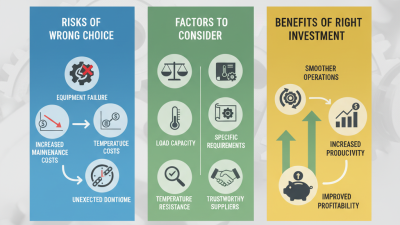
Understanding these factors is crucial for making informed decisions. Quality Machinery Belts enhance efficiency and minimize maintenance costs. Investing in the wrong type can result in operational failures. Therefore, thorough research and expert advice are indispensable when choosing the best products.
Overview of Machinery Belts: Types and Functions
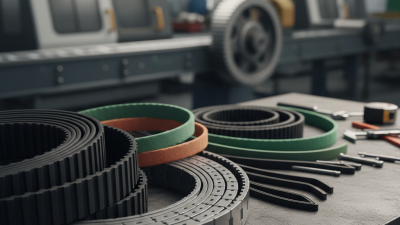
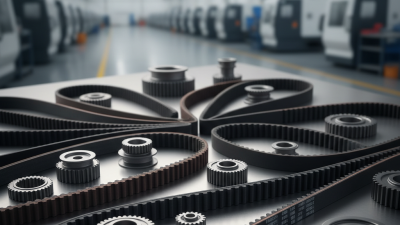
Machinery belts play a crucial role in various industries. They transfer power between components, ensuring smooth operations. There are several types of belts, each designed for specific functions. Flat belts are used in light-duty applications, while timing belts ensure precision in machinery. V-belts are common in automotive and industrial settings, providing higher torque transmission.
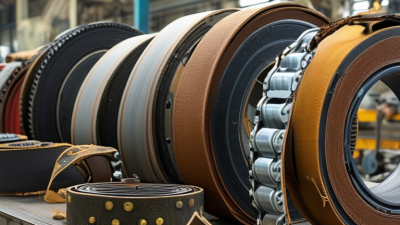
When selecting a machinery belt, consider the material. Rubber belts offer flexibility, while polyurethane belts provide durability. The environment also influences your choice. Extreme temperatures or exposure to chemicals can affect performance. Ensure the belt matches the operational conditions of your machinery.
Tips: Measure the tension and alignment regularly to prevent wear and tear. Inspect for signs of damage, such as fraying or cracking. A simple checklist can help track maintenance needs. Keeping detailed records could improve reliability.
The right choice of machinery belt can enhance efficiency. However, improper selection can lead to frequent failures. Pay attention to specifications and operational requirements. Trial and error may reveal insights.
Key Factors to Consider When Choosing Machinery Belts
Choosing the right machinery belts is crucial for efficiency and longevity. The global machinery belt market is projected to reach $21.6 billion by 2026, according to industry reports. Understanding key factors helps buyers make informed choices.
Material composition is significant. Different applications require specific materials—rubber, polyurethane, and metal. Each type offers distinct advantages. However, mixing materials can lead to premature wear. Regular inspections are necessary to ensure belts are in optimal condition. Ignoring signs of wear may lead to costly downtime.
Another important factor is the operating environment. Factors like temperature, dust, and moisture influence belt performance. According to data, exposure to extreme conditions can reduce lifespan by up to 30%. Additionally, manufacturers should evaluate the compatibility of their machinery and the belts selected. This minimizes the risk of mismatched performance and improves overall efficiency. Remember that the choice of a belt does not guarantee success. Regular maintenance and careful monitoring are just as vital.
2026 Best Machinery Belts for Global Buyers - Key Factors to Consider When Choosing Machinery Belts
| Belt Type |
Material |
Width (mm) |
Length (m) |
Max Load Capacity (kg) |
Temperature Range (°C) |
Applications |
| V-Belt |
Rubber |
15 |
200 |
500 |
-20 to 80 |
Agricultural machinery |
| Timing Belt |
Polyester |
25 |
150 |
300 |
-10 to 60 |
Automotive engines |
| Flat Belt |
Polyurethane |
50 |
300 |
1000 |
-5 to 70 |
Material handling |
| Round Belt |
Nylon |
10 |
100 |
200 |
0 to 80 |
Textile industry |
| Poly-V Belt |
EPDM Rubber |
20 |
250 |
400 |
-30 to 90 |
HVAC systems |
Top Brands and Manufacturers of Machinery Belts in 2026
When selecting machinery belts in 2026, understanding the top brands and manufacturers is crucial. The market is flooded with options, each offering varied materials and specifications. Reliability and durability are essential factors driving purchasing decisions. High-quality belts ensure optimal performance in machinery applications, which is vital for efficiency.
Many manufacturers specialize in certain belt types, such as rubber, polyurethane, or metal. Each material has unique properties suitable for different industrial environments. For instance, rubber belts are often favored for their flexibility and grip. However, they may not withstand extreme temperatures as well as other options. It's essential to match the belt's characteristics to your specific needs.
Researching user reviews and expert opinions can provide valuable insights into product performance. Some buyers report issues with wear and tear over time. This highlights the importance of considering long-term maintenance costs. Additionally, connecting with industry professionals can aid in making informed choices. Engaging with knowledgeable individuals can help buyers navigate the complexities of the machinery belt market.
Comparative Analysis of Material and Durability in Machinery Belts
When selecting machinery belts, material and durability are critical factors. Different materials offer varying levels of strength and resilience. Rubber belts are popular due to their flexibility and strong grip. However, they may wear down faster than other options. On the other hand, polyurethane belts provide excellent durability and resistance to abrasions. They are ideal for high-tension applications but can be more expensive.
It’s essential to consider environmental factors when choosing materials. For instance, belts exposed to extreme temperatures may degrade quicker. Some belts might also be unsuitable for high-moisture environments. This mismatch can lead to frequent replacements. Evaluating these conditions can save costs and avoid downtime.
Users should also reflect on their specific needs. A belt that works perfectly in one application may fail in another. Sometimes, the most durable option is not needed for lighter tasks. Balancing cost, material properties, and application requirements is vital. It ensures longevity and efficiency without unnecessary expenditure.
2026 Best Machinery Belts for Global Buyers
Global Market Trends and Purchase Recommendations for Machinery Belts
The global market for machinery belts is evolving rapidly. Industries require belts that can withstand heavy loads and high speeds. New materials, such as advanced polymers, are becoming popular due to their durability. Buyers should consider the tensile strength and flexibility of these belts. Understanding the application can help in making informed choices.
Market trends show an emphasis on sustainability. Many manufacturers focus on eco-friendly production methods. This shift reflects a growing consumer demand for green products. However, not all options are created equal. Buyers must research the sourcing and manufacturing practices of potential suppliers. Reliability remains crucial, as a belt failure can lead to costly downtime.
In addition to performance, price is a key consideration. While cheaper options may seem attractive, the long-term costs can be significant. Quality belts often come with warranties that cover defects and performance issues. This can provide peace of mind for buyers. Ultimately, making a knowledgeable choice involves balancing cost, performance, and sustainability.