How to Choose Timing Belt Pulleys for Your Engine Needs?
When selecting Timing Belt Pulleys for your engine, it’s essential to consider various factors. The right pulley can significantly affect performance and longevity. First, understand the specific requirements of your engine. Different engines have unique needs, and not every pulley will fit.
Timing Belt Pulleys come in various sizes and materials. Choosing the wrong material may lead to premature wear or failure. Examine the specifications closely. Look for pulleys that offer excellent strength and durability. Those made from high-quality aluminum or reinforced composites often perform better.
Consulting experts can provide valuable insights. However, it’s vital to critically evaluate their suggestions. Personal experience with Timing Belt Pulleys can be just as significant. Consider the performance of similar models in your vehicle. Making an informed choice can enhance your engine’s efficiency and ensure smoother operation. Trust your instincts, and don’t rush the decision.
Understanding Timing Belt Pulleys: An Overview of Their Functionality
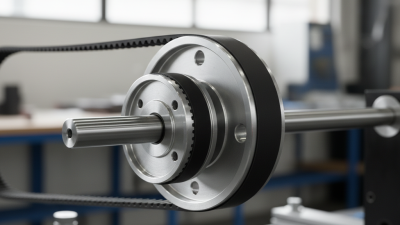
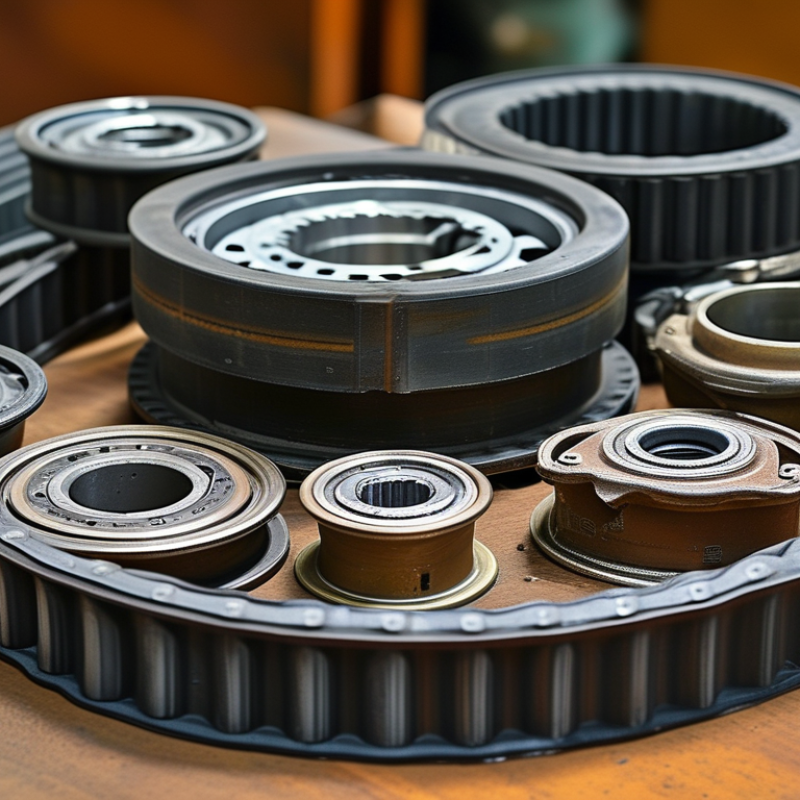
Timing belt pulleys play a crucial role in the functionality of an engine. They connect the timing belt to various components, ensuring synchronous movement between them. These pulleys help distribute power from the engine to essential parts, like the camshaft and crankshaft. Proper selection is essential for performance and efficiency.
Different engines may require unique specifications for their timing belt pulleys. Choosing the right material is important, as it affects durability and resistance to wear. Steel and aluminum are common options, but each material has advantages. For instance, aluminum is lightweight, while steel offers strength. Both can impact engine performance.
One often overlooked aspect is installation. Improperly fitted pulleys can lead to issues like slippage or misalignment. Regular inspection of pulleys is a good practice to ensure they remain in top condition. It is vital to consult with a mechanic who understands your engine’s specific needs, as their expertise can guide you in making the right choice.
Determining Compatibility: Matching Pulleys to Your Engine Specifications
When selecting timing belt pulleys, understanding compatibility is crucial. Every engine has specific requirements, and using the wrong pulley can lead to performance issues. Start by reviewing your engine specifications. Pay attention to dimensions, tooth count, and the material of the pulleys. These details are critical for optimal function and longevity.
Consider the application. Will it be used for daily driving or high-performance racing? Different scenarios demand different pulley types. For example, a high-performance engine may require lightweight materials for efficiency. In contrast, a standard engine may benefit from reinforced pulleys for durability. Reflect on past experiences with pulleys to identify mistakes. Selecting a pulley that doesn’t match can result in misalignment or premature wear.
Lastly, always consult reliable resources and experts in the field. They can help guide you through the nuances of your engine's needs. Engaging with forums or community discussions can also provide valuable insights. Keep track of your findings and stay open to adjusting your choices accordingly.
Material Considerations: Choosing the Right Material for Pulleys
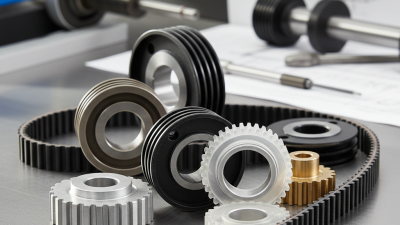
When selecting timing belt pulleys for your engine, material choice is crucial. The common materials used are aluminum, steel, and plastic. Each has its unique benefits and drawbacks. Aluminum is lightweight and resistant to corrosion. However, it may not withstand heavy loads as effectively as steel. Steel, while durable, can be heavier, impacting engine performance. Plastic pulleys are lightweight but may wear out faster.
Consider the durability and weight. Pulleys made from superior materials often lead to improved engine efficiency. Your choice should reflect your engine's needs and operating conditions. It’s important to assess the environment, such as temperature and exposure to chemicals.
Tips: Always check the specifications of your engine. Research the advantages of each material. Consult with professionals when in doubt. A small error in material selection can lead to costly repairs. Evaluate the long-term implications of your choice. Careful consideration will ensure the best performance for your engine.
Material Considerations for Timing Belt Pulleys
Sizing Matters: How to Properly Measure Pulleys for Your Engine
When selecting timing belt pulleys for your engine, accurate measurements are crucial. The size of the pulleys directly affects engine performance. Start by measuring the diameter of the pulleys you want to replace. Use a caliper for precision, ensuring you account for any variations in the existing components. Alongside diameter, consider the width of the pulley. A miscalculated width can lead to belt slips or decreased efficiency.
Don’t forget to check the bore diameter as well. This measurement ensures a proper fit on the crankshaft or camshaft. A fit that’s too tight can cause excessive wear or heat. On the other hand, a loose fit may lead to vibrations, affecting stability. Sometimes, people overlook the importance of material. Different materials withstand heat and stress differently, affecting longevity.
Measuring pulleys isn’t always straightforward. Variations in your engine’s design can complicate things. For example, if your engine has been modified, your original measurements might not apply. Always double-check your numbers, as mistakes can lead to subpar performance. This attention to detail can make or break your project. Always seek reliable sources for your measurements. Experience shows that precision prevents potential mishaps down the road.
Installation Insights: Best Practices for Timing Belt Pulley Setup
When setting up timing belt pulleys for your engine, attention to detail is crucial. Proper installation ensures optimal performance and longevity. According to industry reports, improper installation can reduce pulley life by up to 30%. Focus on alignment and tension during installation to avoid issues. Misalignment not only accelerates wear but can also lead to engine failure.
Here are some useful tips. Always inspect the tensioner and bearings before installation. Replacing worn components during setup can save time and costs later. Ensure you follow manufacturer specifications for torque settings. Using a torque wrench maintains accurate tension and enhances reliability.
Consider environmental factors too. High temperatures or corrosive conditions can affect pulley material selection. Regular inspections are vital to identify wear before it leads to larger problems. Keeping meticulous records of maintenance helps in making informed decisions about future installations. Remember, perfect alignments often involve a bit of trial and error, so be prepared to adjust and refine your setup as necessary.
How to Choose Timing Belt Pulleys for Your Engine Needs?
| Pulley Material |
Pulley Size (Diameter) |
Tooth Profile |
Recommended Applications |
Installation Difficulty |
| Aluminum |
50 mm |
GT2 |
High-performance engines |
Moderate |
| Steel |
60 mm |
HTD |
Industrial machinery |
High |
| Plastic |
40 mm |
GT3 |
Small engines |
Easy |
| Composite |
30 mm |
MXL |
Robotics |
Easy |