Top Flat Belt Suppliers in China What to Look For?
When searching for the best flat belt suppliers in China, several factors come into play. Flat belts are essential components in various industries, including manufacturing, automotive, and logistics. Choosing the right supplier can significantly impact your production efficiency and product lifespan.
Many suppliers offer an extensive range of flat belts, but not all guarantee quality. Assessing their experience is crucial. Look for suppliers with years in the industry. Their expertise often translates into better products and customer support. In addition, consider the supplier's authority in the market. Established companies tend to have better reputations and reviews.
Reliability is another key factor. You don't want to deal with delays or subpar products. Opt for suppliers with proven track records in delivering quality flat belts on time. While many options are available, it's essential to conduct thorough research. Not all suppliers meet the necessary standards. Balancing cost and quality might require some reflection. Ensuring you make an informed decision can ultimately enhance your operational success.
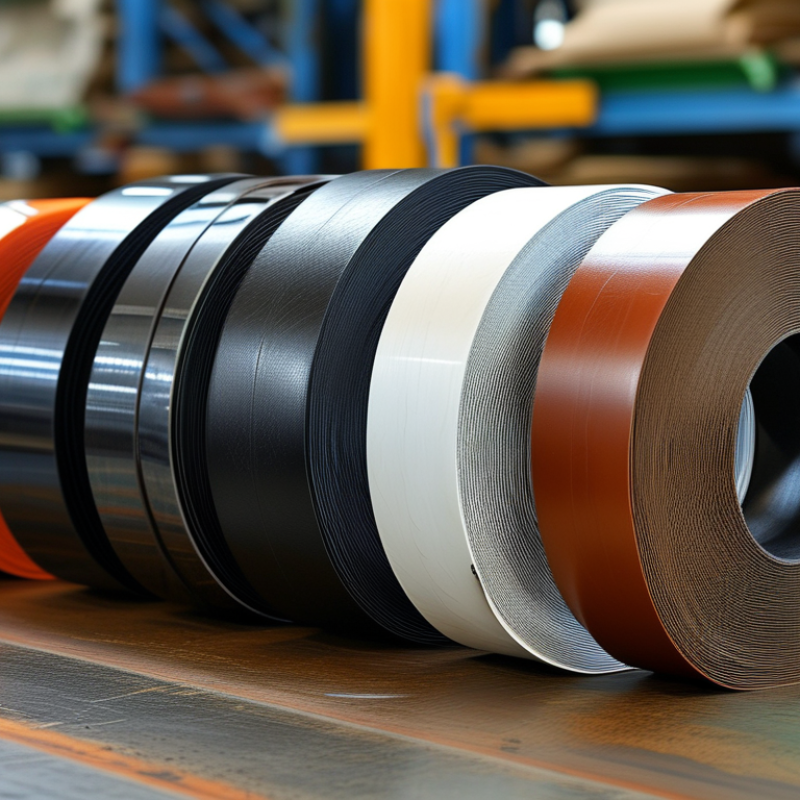
Overview of the Flat Belt Industry in China
The flat belt industry in China is growing rapidly, with a projected market size of over $4 billion by 2025. This growth is fueled by increased demand in various sectors. Industries like automotive, mining, and food processing are significant consumers of flat belts. Reliable suppliers are key to meeting this demand.
Quality control is a major concern in the flat belt industry. Many manufacturers face challenges in maintaining consistent quality. Analysts report that about 15% of flat belts fail to meet industry specifications. This highlights the importance of choosing suppliers with strict quality assurance processes. Some recommended practices include certifications like ISO 9001, which indicate a commitment to quality management.
Innovation is also a driving force in the industry. Research shows that manufacturers invest up to 6% of their revenue in R&D. This focus on innovation helps in developing more durable and efficient products. However, not all suppliers keep pace with technological advancements. A supplier’s ability to adopt new materials and designs can significantly impact their competitiveness. Consider these factors when evaluating suppliers in the flat belt market.
Flat Belt Production Volume in China (2023)
This chart illustrates the production volumes of various types of flat belts in China for the year 2023, highlighting the leading materials used in the flat belt industry.
Key Factors to Consider When Selecting Suppliers
Selecting flat belt suppliers in China requires careful consideration of several key factors. First, assess their manufacturing capacity. Reliable suppliers should have robust production capabilities. Reports indicate that the Chinese flat belt market is projected to grow by 5% annually, highlighting the importance of supplier reliability. Understanding their production volume can indicate their ability to meet your demand.
Quality control measures play a crucial role. Suppliers must implement strict quality assurance protocols. Statistics show that up to 30% of defects can occur in poorly monitored processes. It's vital to inquire about certifications and inspections. Look for suppliers that adhere to international quality standards.
Another vital factor is customer support and communication. Effective communication can prevent misunderstandings. Suppliers with dedicated service teams tend to provide better support. A supplier's responsiveness can reflect their commitment to client satisfaction. Lastly, consider the supplier's reputation in the industry. Researching reviews and testimonials can offer valuable insights. In a competitive market, trustworthiness and reliability are essential for long-term partnerships.
Top Manufacturing Companies for Flat Belts in China
When exploring flat belt suppliers in China, it's essential to consider key manufacturing companies that lead the market. The flat belt industry has shown steady growth, with projections estimating a compound annual growth rate (CAGR) of 4.5% over the next five years. This growth indicates increasing demand across various sectors, including automotive and manufacturing.
The top manufacturing companies in the flat belt sector typically emphasize innovation and quality. Companies often invest significantly in research and development. Recent industry reports highlight that 65% of leading manufacturers prioritize the development of high-performance materials to enhance durability and efficiency. Additionally, sustainability practices are becoming vital. In fact, around 40% of companies are adopting eco-friendly materials in their flat belt production processes.
Quality assurance is a crucial factor. Many companies follow international standards like ISO 9001, ensuring reliable products. However, potential buyers should be aware of inconsistencies in these certifications. Not all suppliers may adhere to these standards, which can lead to variability in product performance. It's essential to conduct thorough assessments of suppliers before commitment.
Top Flat Belt Suppliers in China
| Supplier Type |
Manufacturing Capacity (Units/Month) |
Material Type |
Certification |
Export Markets |
| Manufacturer |
50000 |
Polyester |
ISO 9001 |
North America, Europe |
| Distributor |
30000 |
Nylon |
CE |
Asia, Africa |
| OEM Supplier |
40000 |
Rubber |
ISO 14001 |
South America, Australia |
| Trading Company |
20000 |
PVC |
RoHS |
Middle East, Europe |
Quality Standards and Certifications for Flat Belts
When selecting flat belts from suppliers in China, focusing on quality standards and certifications is crucial. Various global standards ensure that flat belts meet specific performance criteria. These include ISO 9001 for quality management systems and ISO 14001 for environmental management. Manufacturers that adhere to these standards often demonstrate a commitment to quality control. According to a recent industry report, around 75% of leading flat belt suppliers achieve these certifications, indicating reliability in their products.
Quality testing plays a vital role in production. Flat belts should undergo rigorous assessments to evaluate tensile strength, flexibility, and wear resistance. For instance, a belt’s tensile strength is essential for determining its load-bearing capacity. Manufacturers often perform tests in line with ASTM D378 standards to ensure optimal performance. Additionally, belts with proper certifications enhance operational efficiency, which can lead to reduced downtime in machinery.
While many suppliers claim compliance with international standards, not all deliver consistent quality. Variations in raw materials and production methods can lead to discrepancies in product performance. Industry reports highlight that roughly 20% of suppliers fail to meet the expected quality benchmarks. Therefore, it's imperative for businesses to conduct thorough background checks and validations. Balancing cost with quality assurance is challenging, yet vital for maintaining operational integrity.
Trends and Innovations in China's Flat Belt Market
China's flat belt market is evolving rapidly, driven by innovations and emerging trends. Manufacturers are now focusing on materials that enhance durability and performance. For example, synthetic fibers offer better resistance to wear and tear. This shift is crucial as industries demand reliable solutions for various applications.
Recent technological advancements, such as automated manufacturing processes, are reshaping the industry. These processes increase production efficiency while reducing costs. However, the adoption of these technologies can present challenges. It requires substantial investment and skill development. Companies must carefully evaluate their readiness for such transitions.
Sustainability is another key trend influencing the flat belt market. Environment-friendly materials are becoming more prevalent. Organizations are looking for ways to minimize their ecological footprint. Suppliers who prioritize these practices are gaining a competitive edge. Nevertheless, balancing cost and sustainability remains a complex issue. Being aware of these trends can help buyers make informed decisions.