What Are China Top 10 Timing Pulley Manufacturers?
Choosing China’s top 10 timing pulley manufacturers requires more than comparing product pages. Timing Pulleys support accurate power transmission in robotics, packaging machines, CNC equipment, conveyors, and automated production lines. A reliable supplier should demonstrate stable tooth profiles, suitable materials, consistent machining, and dependable quality control. Buyers should also examine belt compatibility, bore accuracy, flange design, surface treatment, and tolerance data.
This overview introduces ten manufacturers through a practical sourcing perspective. It considers manufacturing experience, engineering capability, customization support, inspection procedures, export communication, and after-sales reliability. Real purchasing decisions often depend on small details, such as whether a pulley arrives with a clean bore or a rough edge. That matters.
Factory audits, sample testing, and technical discussions remain essential. Certifications can support credibility, but they cannot replace direct verification. Some rankings may change by application, budget, production volume, and delivery requirements. There is no universal winner. A supplier serving high-speed automation may not suit a small custom order. Likewise, a low price may hide longer lead times or limited engineering support.
The selected companies should therefore be viewed as potential partners, not guaranteed choices. Readers should confirm current capabilities, materials, tolerances, minimum order quantities, and compliance documentation before purchasing. This careful approach helps reduce avoidable failures and supports more informed industrial sourcing. Mistakes can still happen, especially when drawings are incomplete or belt specifications are misunderstood. Clear communication remains one of the strongest safeguards.
What Are Timing Pulleys and Why Are They Important?
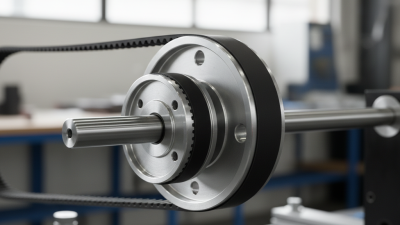
Timing pulleys are toothed wheels that transfer motion through a synchronous belt. Their teeth engage with matching belt grooves, unlike smooth pulleys that depend mainly on friction. This positive engagement helps maintain accurate shaft timing, even during repeated starts and stops. That matters in conveyors, packaging machines, robotics, and precision equipment.
The ISO 5294:2018 standard defines key dimensions for synchronous belt drives, including pitch, tooth form, and pulley geometry. These details are not decorative. A small pitch mismatch can create vibration, tooth wear, or belt jumping. The U.S. Department of Energy reports that motor-driven systems use about 68% of industrial electricity in the United States. Efficient power transmission therefore deserves practical attention, although a pulley alone cannot solve poor system design.
Field experience shows that bore accuracy, shaft alignment, belt tension, and material selection often decide service life. Aluminum reduces rotating mass, while steel usually tolerates higher loads. Flanges can help control lateral movement, but they cannot correct serious misalignment. A 2024 industrial automation market analysis by Grand View Research projects continued growth in automated production, increasing demand for repeatable motion components. Still, market growth does not guarantee quality. I would not judge a timing pulley by appearance or price alone. Measuring tooth profile, checking runout, and reviewing the manufacturer’s load data remain essential. Small errors become expensive quickly.
How Are China’s Top Timing Pulley Manufacturers Selected?
Selecting China’s leading timing pulley manufacturers takes more than comparing prices or catalog sizes. Buyers should check tooth-profile accuracy, radial runout, bore tolerances, material certificates, and batch inspection records. Ask for measurements from actual production parts, not only a polished sample. Small errors can cause belt noise, uneven wear, or poor fit.
The U.S. Department of Energy’s Improving Motor and Drive System Performance sourcebook estimates that motor-driven systems use about 68% of electricity in U.S. manufacturing. That figure makes transmission efficiency a practical purchasing concern. For timing pulleys, compare machining consistency and test methods against ISO 5294, which specifies pulley dimensions for synchronous belt drives. Request a clear inspection plan, including how suppliers check pitch, runout, and surface finish. Good paperwork matters.
Factory visits or live video audits can reveal details a brochure misses: tool wear, in-process checks, and how parts are protected from chips. Ask manufacturers to explain how they handle custom tooth profiles and repeat orders. Their answers should be specific. Yet selection is rarely tidy; a strong sample does not prove stable mass production, and a low defect claim means little without supporting records. Ask for several batches when the application is critical.
How China’s Top Timing Pulley Manufacturers Are Selected
A practical buyer scorecard for comparing manufacturers. The percentages are suggested evaluation weights, not survey results, market shares, or rankings of specific companies.
How to use it: Assess each supplier against the same criteria and request supporting evidence, such as inspection records, material specifications, quality-system documentation, and samples. Adjust the weights to match your application and procurement priorities.
Who Are the Top 10 Timing Pulley Manufacturers in China?
China’s top 10 timing pulley manufacturers are best identified by verified production capabilities, not by a universal ranking. The strongest candidates usually include precision-machining specialists, custom-drive component makers, and factories serving automation, packaging, and textile equipment. Some focus on standard tooth profiles. Others build pulleys to drawings, with specific bore sizes, keyways, or flange designs. Small details matter.
A dependable shortlist should compare measurable evidence. Ask for tooth-profile inspection records, material specifications, runout tolerances, and sample parts. Check whether the supplier can explain its process, from blank machining to final inspection. A pulley with clean tooth edges and a true bore can reduce vibration on a working drive. Yet a polished catalog proves little. A neat ranking can mislead. Production capacity, quality controls, and communication may vary between product lines, even within one factory. Buyers should confirm current capabilities directly and request recent documentation before treating any supplier as a top-ten choice.
What Are China’s Top 10 Timing Pulley Manufacturers? — Who Are the Top 10 Timing Pulley Manufacturers in China?
| Evaluation Area |
What to Check |
Why It Matters |
| Product range |
Availability of pulleys for commonly used belt profiles, such as trapezoidal and curvilinear tooth forms. |
The belt profile and pulley tooth geometry must be compatible for proper engagement. |
| Materials |
Whether options include aluminum alloys, steel, or engineering plastics, with material specifications provided. |
Material choice affects mass, strength, corrosion resistance, and suitability for the operating environment. |
| Dimensions and tolerances |
Published bore, pitch, outside-diameter, face-width, and runout requirements. |
Accurate dimensions help ensure fit, alignment, and consistent transmission performance. |
| Manufacturing processes |
Documented processes such as machining, tooth forming, surface finishing, and inspection. |
Process control can affect tooth accuracy, surface quality, and repeatability between batches. |
| Quality documentation |
Availability of inspection records, material traceability, and a clearly defined quality-management system. |
Documented controls make supplier capability easier to assess and production issues easier to investigate. |
| Customization |
Capability to produce specified bores, keyways, flanges, coatings, or other drawing-based features. |
Custom features may be required to match a particular shaft, drive layout, or application. |
| Engineering support |
Access to technical drawings, product data, and assistance confirming belt-and-pulley compatibility. |
Engineering review helps reduce the risk of selecting incompatible components. |
| Production capacity |
Verified production lead times, order quantities, and ability to support repeat orders. |
Capacity information helps buyers assess supply continuity for prototypes and ongoing production. |
| Testing and inspection |
Clearly stated inspection methods and acceptance criteria relevant to the ordered pulley specification. |
Verifiable inspection is more useful than unsupported claims about product quality. |
| Commercial and export readiness |
Written quotations, packaging details, shipping terms, and export documentation where applicable. |
Clear commercial information supports accurate cost comparisons and smoother cross-border purchasing. |
| A verified “top 10” ranking cannot be established from the information provided. Compare individual suppliers using documented specifications, inspection evidence, and application requirements rather than treating this checklist as a company ranking. |
How Do These Manufacturers Compare in Quality and Capabilities?
What Are China Top 10 Timing Pulley Manufacturers?
China’s leading ten timing pulley manufacturers differ sharply in quality and production depth. The strongest suppliers use CNC machining, automated inspection, and controlled aluminum or steel batches. Tooth pitch accuracy matters most. A small error can create vibration, noise, and premature belt wear. ISO 5296 provides dimensional guidance for synchronous belt drives, but compliance alone does not prove long-term reliability.
Quality testing separates capable factories from ordinary workshops. Better manufacturers check runout, bore tolerance, surface hardness, and tooth geometry on every production batch. The U.S. Department of Energy reports that well-maintained belt-drive systems can exceed 95% efficiency. Misalignment, however, can waste energy and shorten service life. This makes inspection records more valuable than attractive catalog photos.
The top performers usually offer custom flanges, keyways, coatings, and low-volume prototypes. Some also provide material certificates, traceability, and sample approval before mass production. According to MarketsandMarkets’ power transmission research, demand is moving toward higher-efficiency and more automated components. That trend favors suppliers with engineering teams, not only large factories. Yet factory size can mislead. A smaller producer may deliver tighter tolerances, while a larger one may provide stronger capacity control. Buyers should compare test data, rejection rates, lead times, and after-sales response. I would not rank suppliers by price alone. That shortcut often becomes expensive later.
What Should Buyers Consider Before Choosing a Manufacturer?
When comparing China’s top 10 timing pulley manufacturers, buyers should look beyond catalog photos and quoted prices. Start with the drive’s actual requirements: belt profile, pulley diameter, shaft size, operating speed, and peak load. A mismatch of even a small amount can cause noise, belt wear, or poor tracking. Share a drawing and ask how the supplier checks critical dimensions.
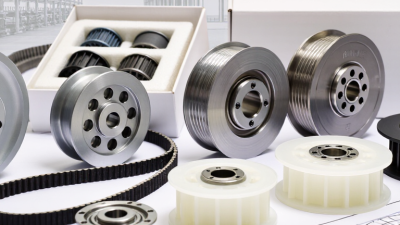
Material and production controls matter. Aluminum pulleys may suit lighter equipment, while steel can handle greater loads but adds weight. Ask about tooth-profile inspection, bore tolerances, surface finish, and batch records. A useful supplier can explain its process clearly, not just promise “high precision.” Request a sample when the application is sensitive. Check it against your drawing, including fit on the shaft and belt engagement. Small details show.
Also assess communication and delivery reliability. Confirm minimum order quantities, packaging, lead times, and how design changes are handled. Ask for inspection reports from a recent production batch, with sensitive commercial details removed. A low unit price may not include tooling, testing, or replacement parts. Clarify those costs in writing. One point buyers sometimes miss: a technically capable factory may still be a poor fit if its response time is slow. I would compare a few suppliers using the same specifications, then note where their answers remain vague.